


❝ Like his art works Vũ appropriates selected motif and repeats it numerous times on different scales; but unlike his art works material from his musical compositions are firmly inspired by traditional sources dating several hundred years before. That said, the distinct influences of both Vietnamese and Russo-Germanic lineages deny any essentialist classification. Instead, what Vũ has contributed to the musical world is a continuation and preservation of classical aesthetics that is grounded on the innovations of Mozart and Shostakovich, the former being his favourite composers. ❞
Jun-Zubillaga-Pow on Vu Dan Tan’s music in his catalogue essay ‘Between Classical and Folk: Vũ Dân Tân, the Composer’
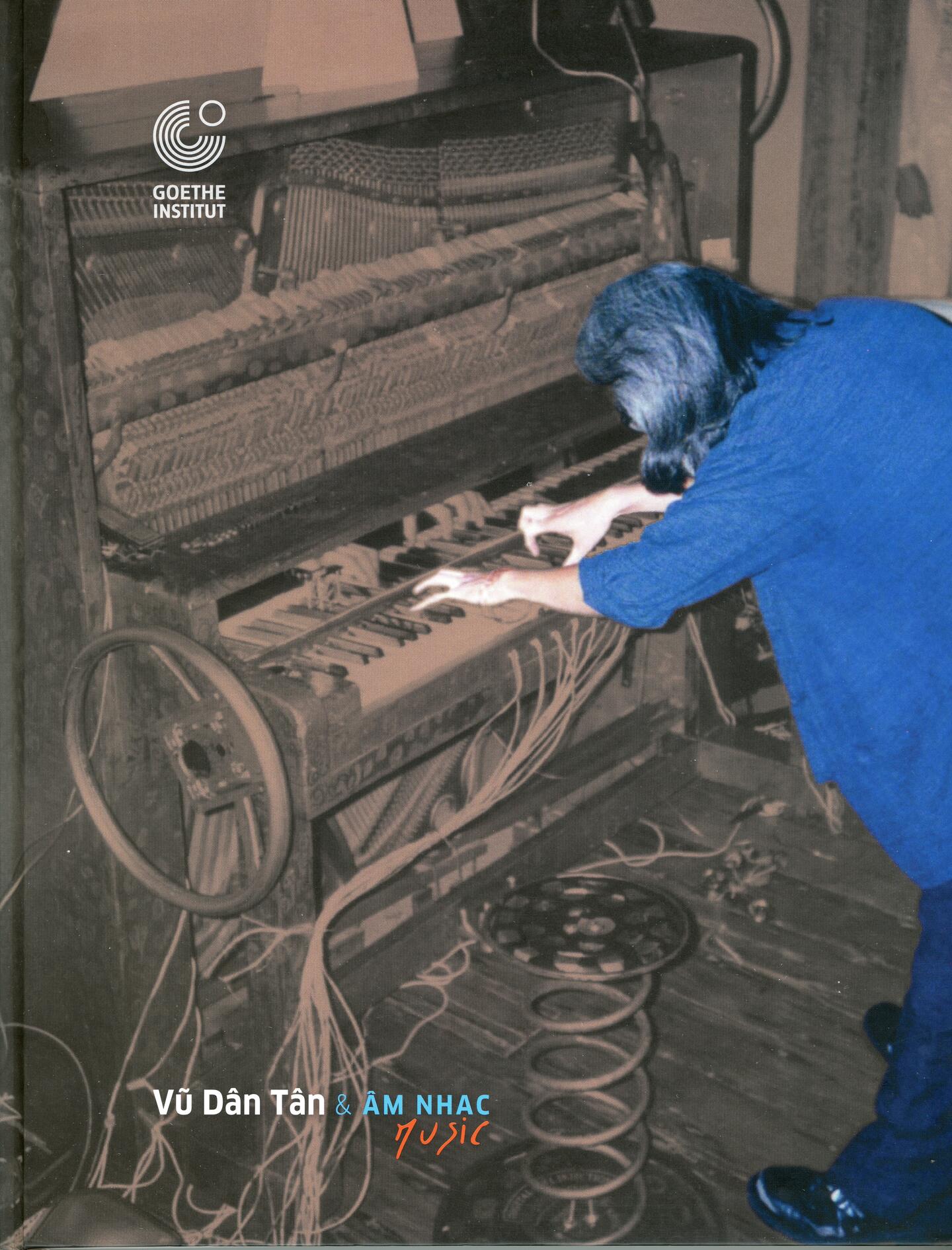
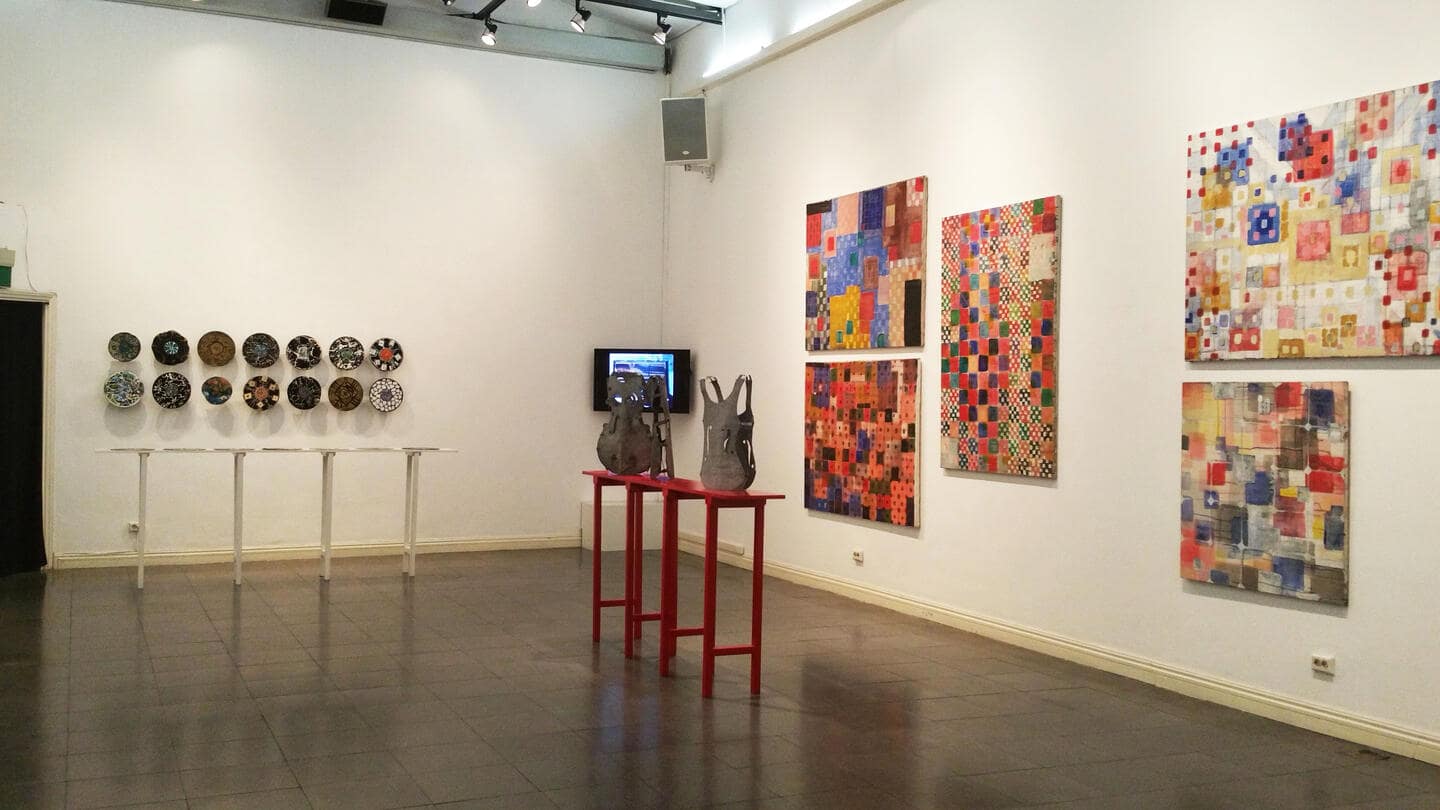
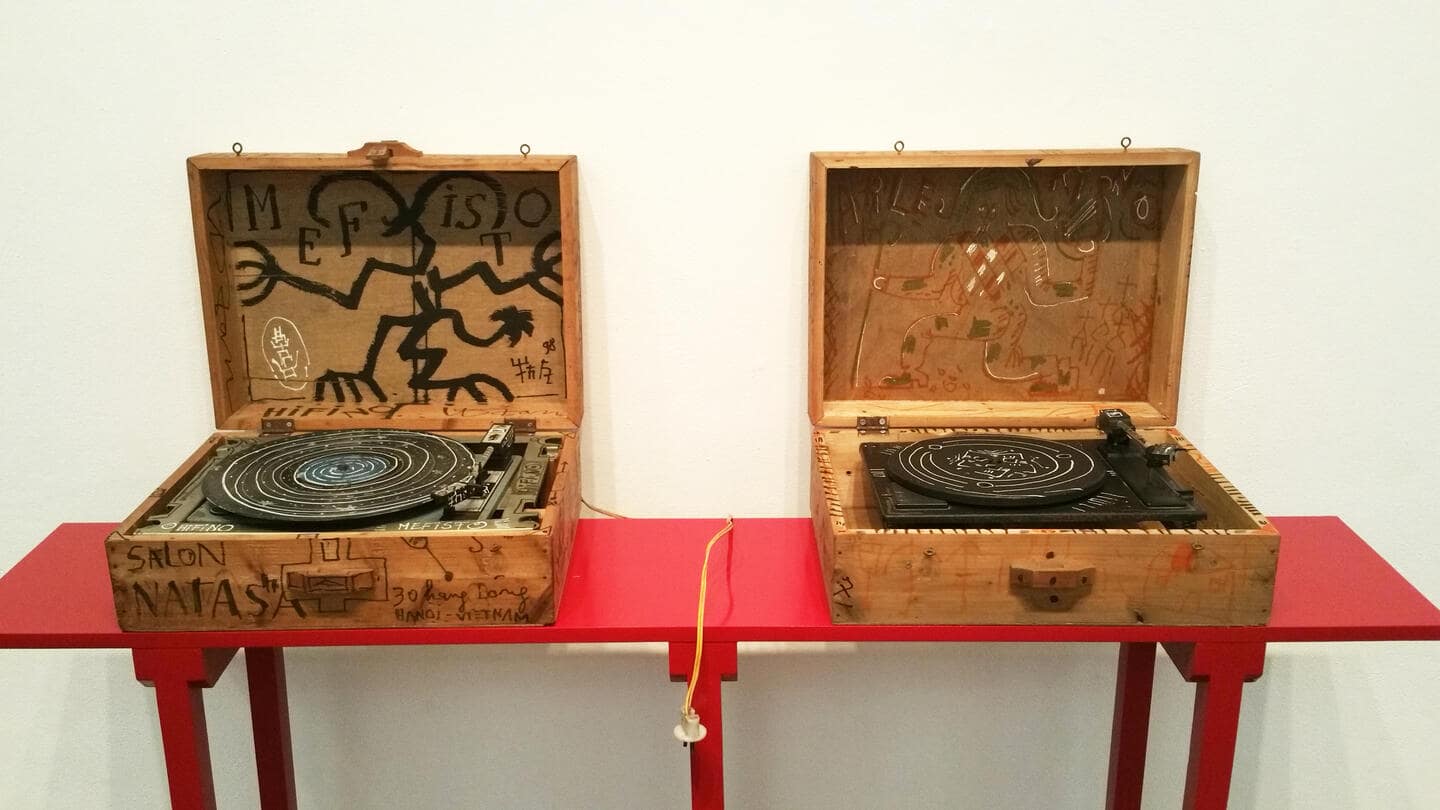
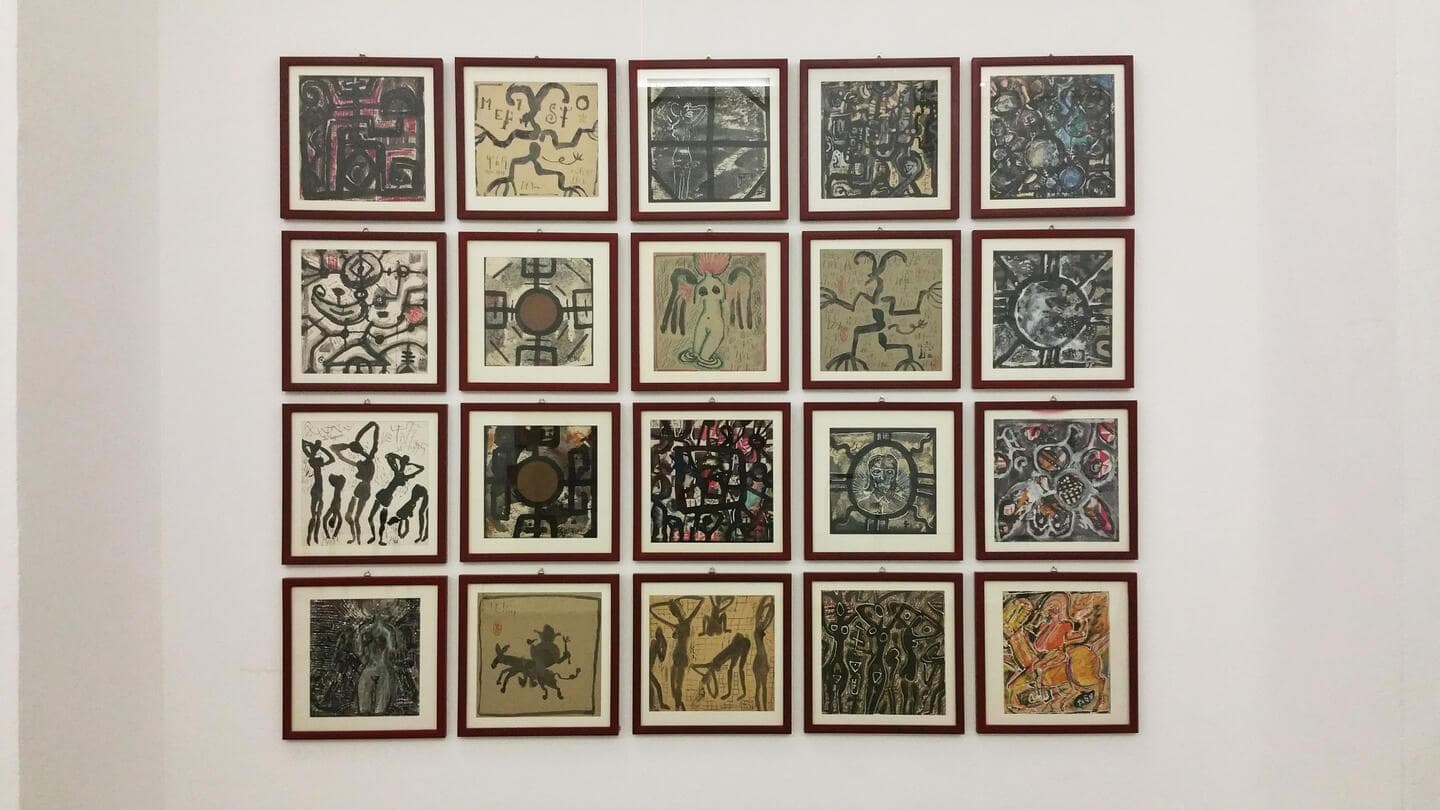
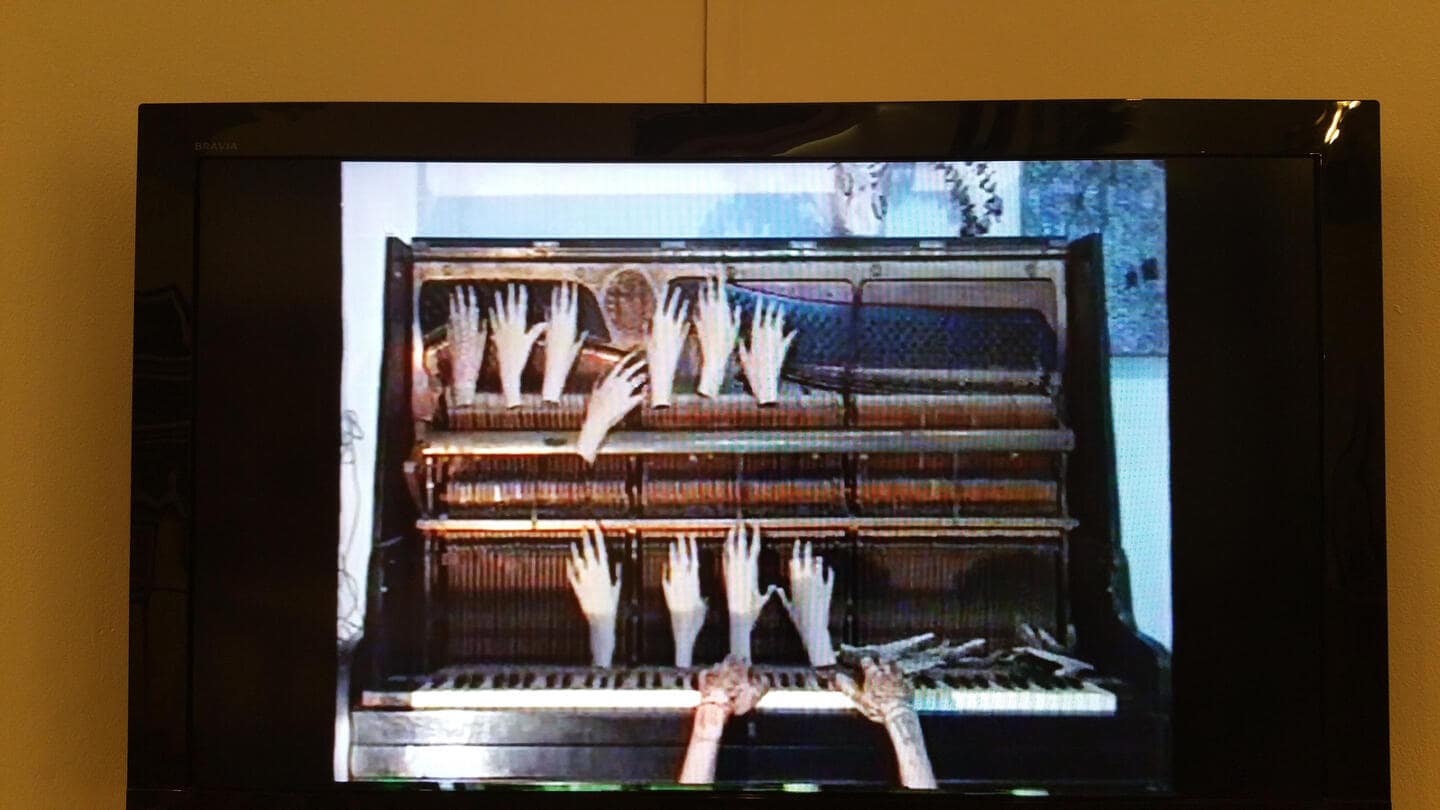
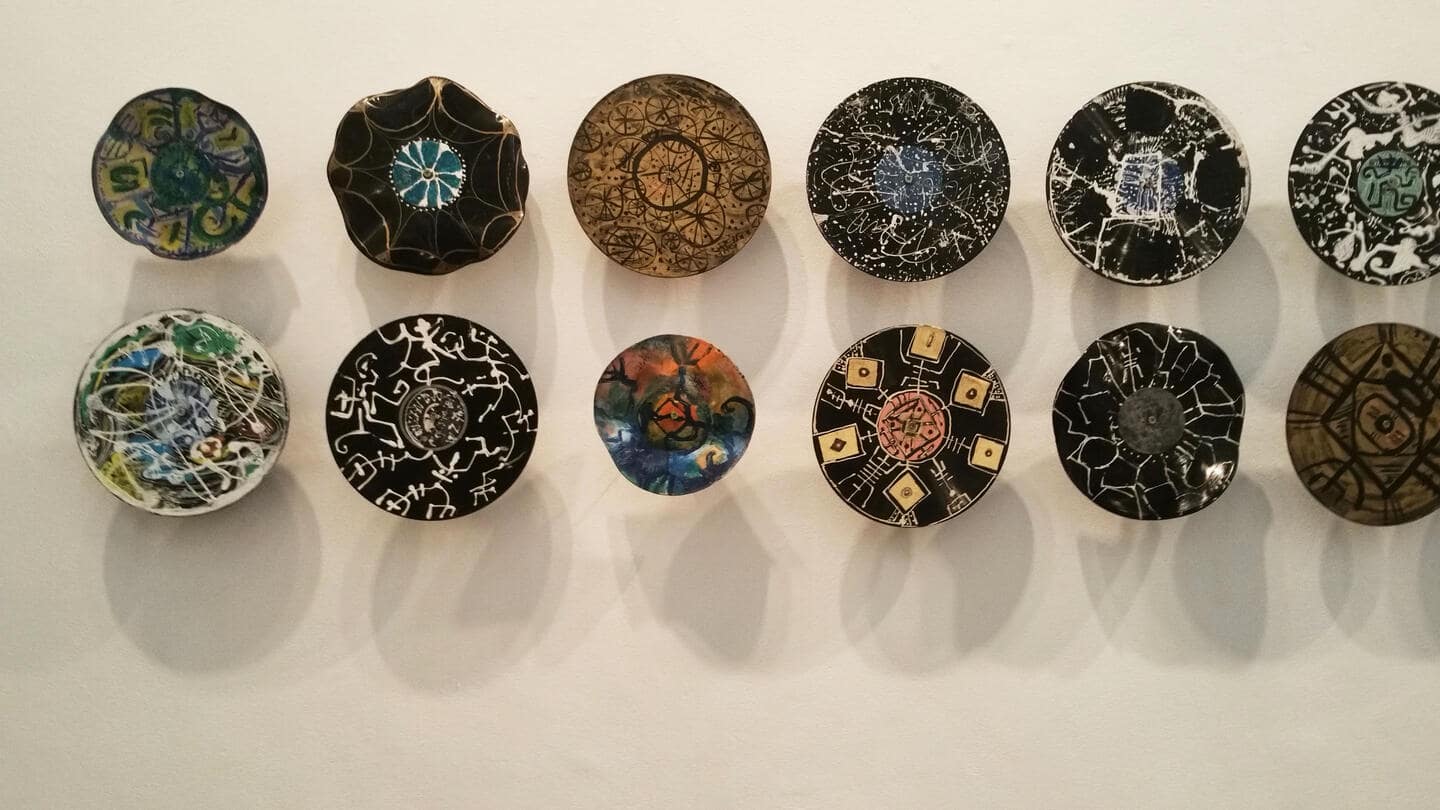
❝ Vu Dan Tan expanded artistic terrain in Hanoi by exploring unknown paths through his experimental visual practice that coincided with a period of dramatic social and political change in Vietnam. Tan’s enlisting of expressive genres outside representational painting of the academy was a key facet of Vu Dan Tan’s visual art breakthrough. A juxtaposition of genres, coupled with usage of non-conventional media, allowed the artist to convey ideas, difficult to depict pictorially on canvas, that could speak to and about the complexity and rapid movement of the times. This type of art with plural and indirect meanings manifests conceptual tactics different to descriptive painting and thus marks new expressive directions in Vietnamese art known as contemporary practice. Music in particular, non-visual and boasting properties and powers that material objects could not have, was utilized by Vu Dan Tan as a central building block of his art…Beyond Vietnam, as post–cold war, globalising Southeast Asia was changing socially and politically in the last decades of the twentieth century, multi-disciplinary artistic practices also figure large. As in Vietnam, they are part of creative renewal, a trait of risk-taking works located outside the officially–sanctioned art arena. Thus, the integration of different disciplines singularises emerging contemporary art in Southeast Asia, Vietnamese experimental art forming a part of this larger picture. However, in the 1990s, Vu Dan Tan’s persistent incorporation of music or music’s features into his visual practice, and the way in which Tan mined sound’s formlessness and conceptual properties, was unknown in Southeast Asian art at that time, showing Vu Dan Tan and Vietnamese art’s important contribution to recent Southeast Asian art history. ❞
Iola Lenzi on conceptual contribution of Vu Dan Tan’s music related works into contemporary Vietnamese and Southeast Asian art in her essay‘Music as Freedom. The place of sound in the visual practice of Vu Dan Tan’