
Vũ Đình Long is regarded as a founder of modern Vietnamese theater, having created the first ‘spoken play’ or kịch nói titled ‘A Cup of Poison’ in 1921. This work marked a significant departure from the traditional theatrical musical genres, liberating the Vietnamese stage from its prevailing conventions. Furthermore, it was the first piece of its kind to utilize local references, reflecting the social reality and current problems of its time from a critical perspective.
It is noteworthy that the prophetic remark made by the writer and publisher Nguyen Van Bong, who stated in the preface to the play that “in the future, the history of Vietnamese dramaturgy will probably be counted from Vu Dình Long’s ‘A Cup of Poison,’” has indeed materialized. In 2021, Vietnam celebrated the 100th anniversary of its drama theater through a series of events dedicated to Vũ Đình Long’s inaugural play. It was recognized that he was one of the heralds who responded to the demand for innovations in literature and new theatrical forms declaring the arrival of a novel era in Vietnamese dramaturgy.
In addition to his writing endeavors (which included creating original plays, translating, and adapting foreign plays for a Vietnamese context), Vũ Đình Long was also a proactive publisher. His publishing house, ‘Tân Dân’, produced significant works by Vietnamese authors and published several well-known literary magazines.
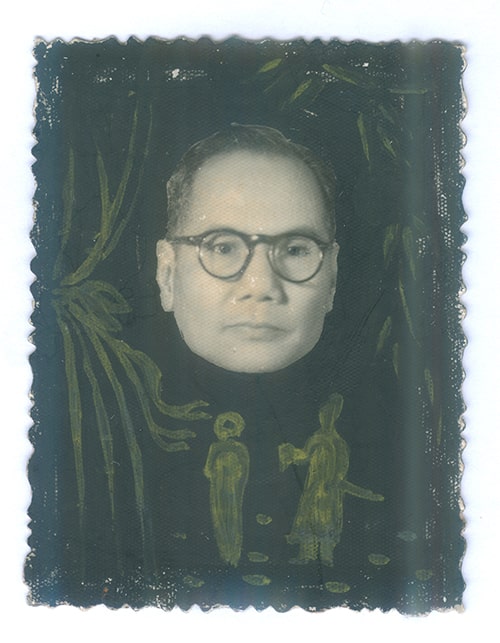
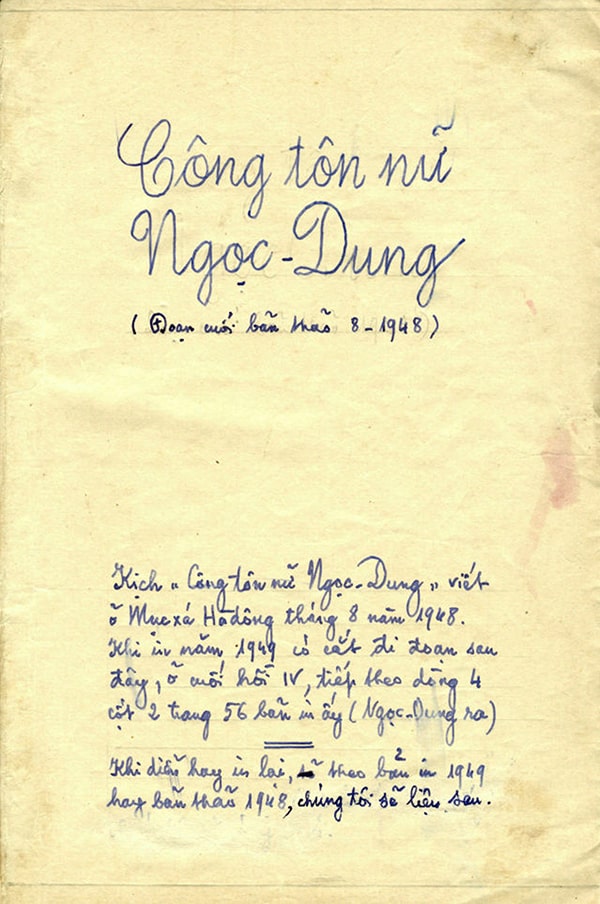
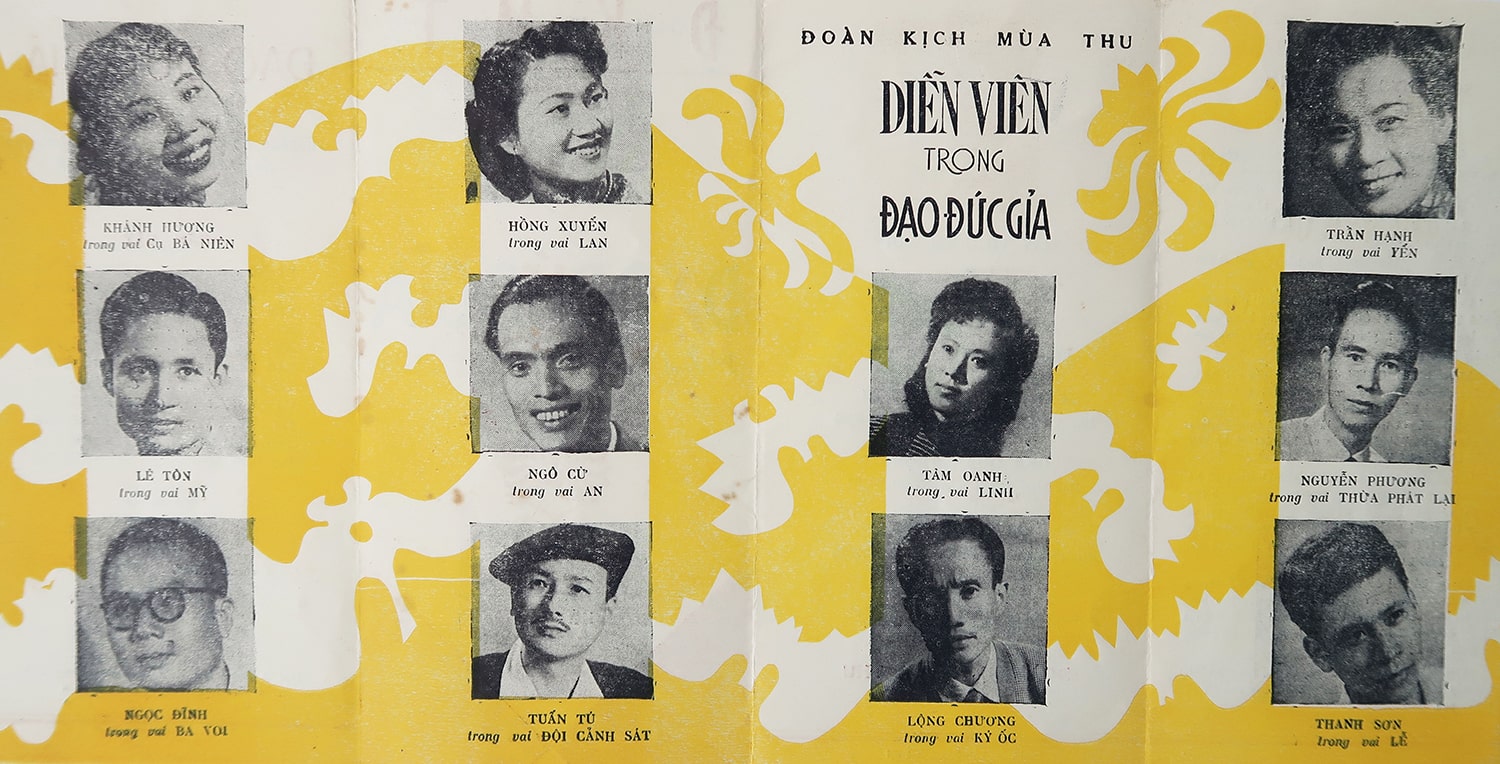
The Foundation archives of Vũ Đình Long encompass a diverse array of materials, including manuscripts of his plays, personal photographs, interviews, correspondence, journals published by ‘Tân Dân’, conference papers, and newspaper clippings related to the playwright and his works. Numerous writings within these archives offer essential context for understanding the writer’s contributions and legacy, providing valuable insights into Vũ Đình Long’s creative processes and motivations. Collectively, these records represent a fundamental resource for addressing gaps in his biographical narrative.
The Vũ Đình Long room is available to share its materials with literary researchers and aims to inspire young scholars’ interest in the underexplored aspects of the writer’s personality. We also welcome proposals for events that conceptually link visual art and literature.