×

OPENING HOURS

Wed-Sat: 10:00 - 17:00
Sun: 10:00AM - 19:00PM
Mon-Tue: Closed
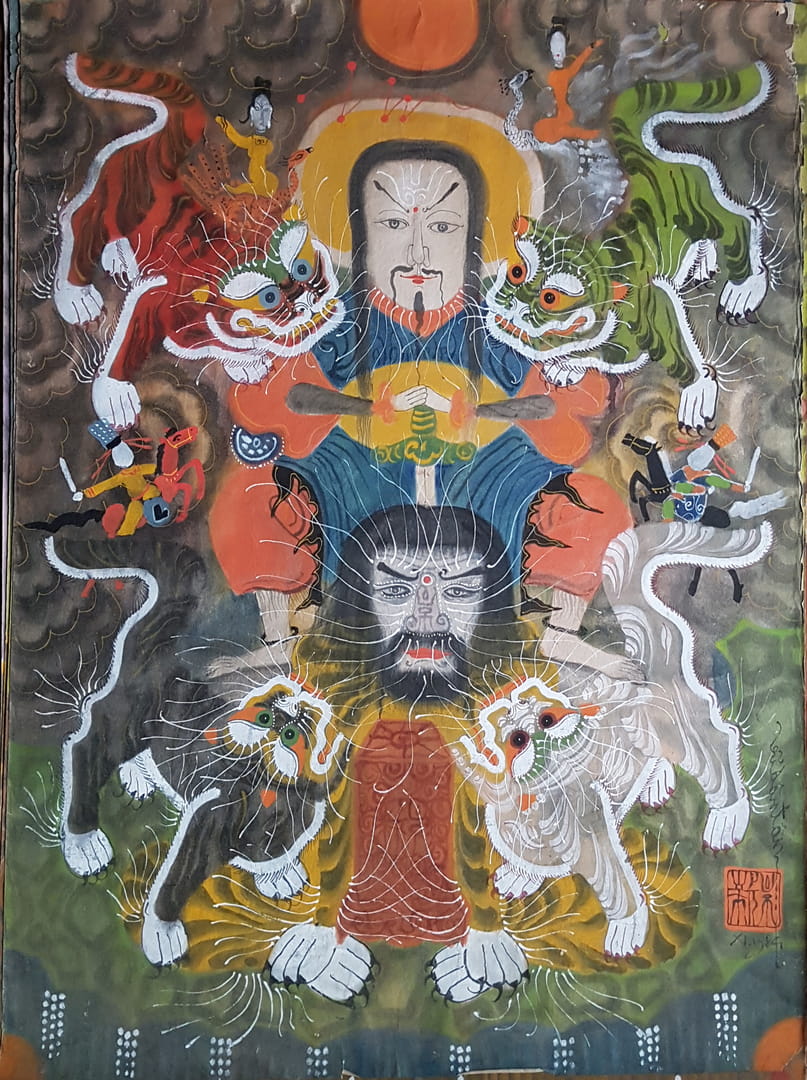
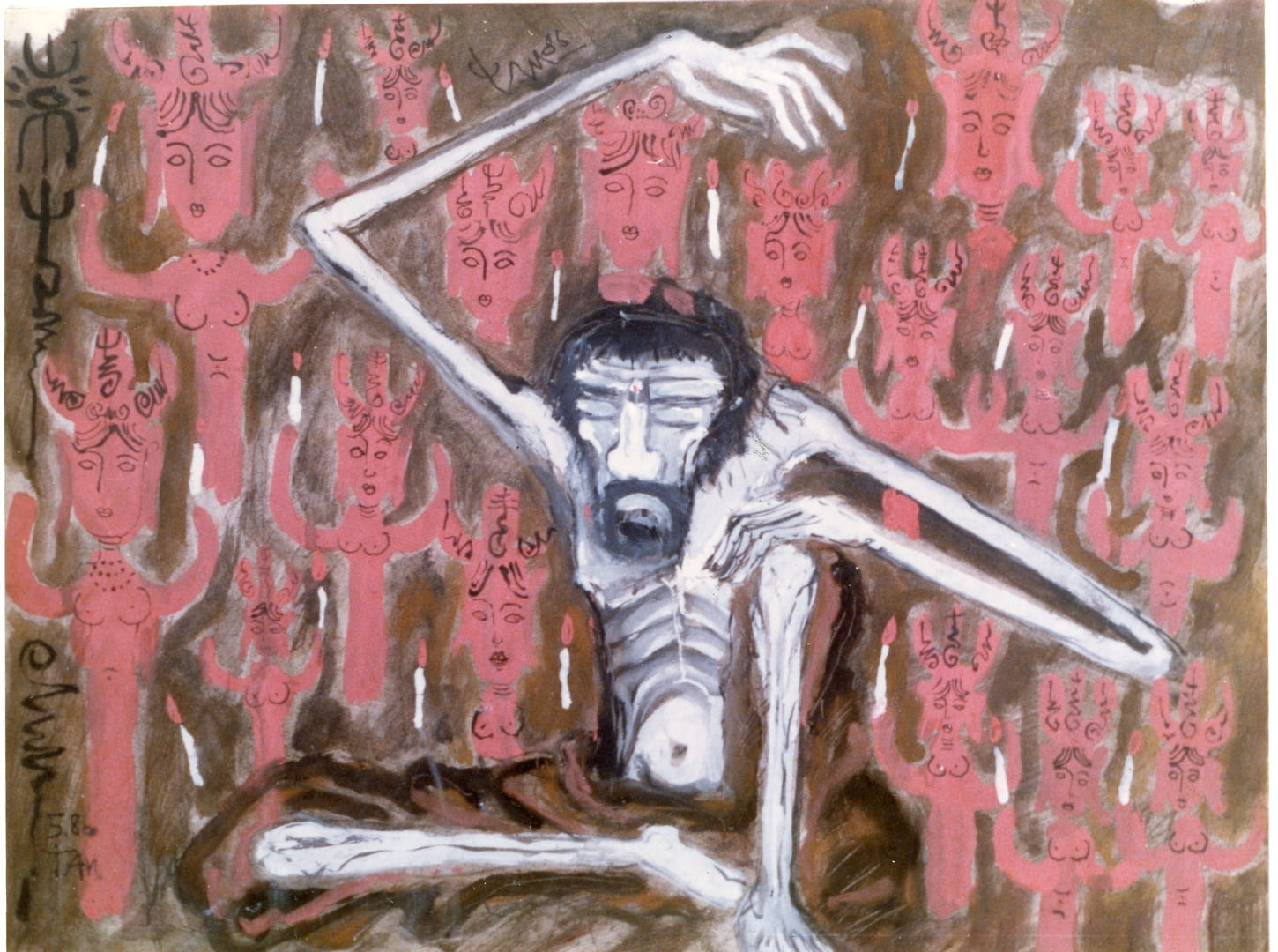
Self-portrait with fairies, gouache on paper, 46 x 60,5 cm, 1986

1970s - middle 1980s - Self-portraits

1970s - middle 1980s - Self-portraits

Series

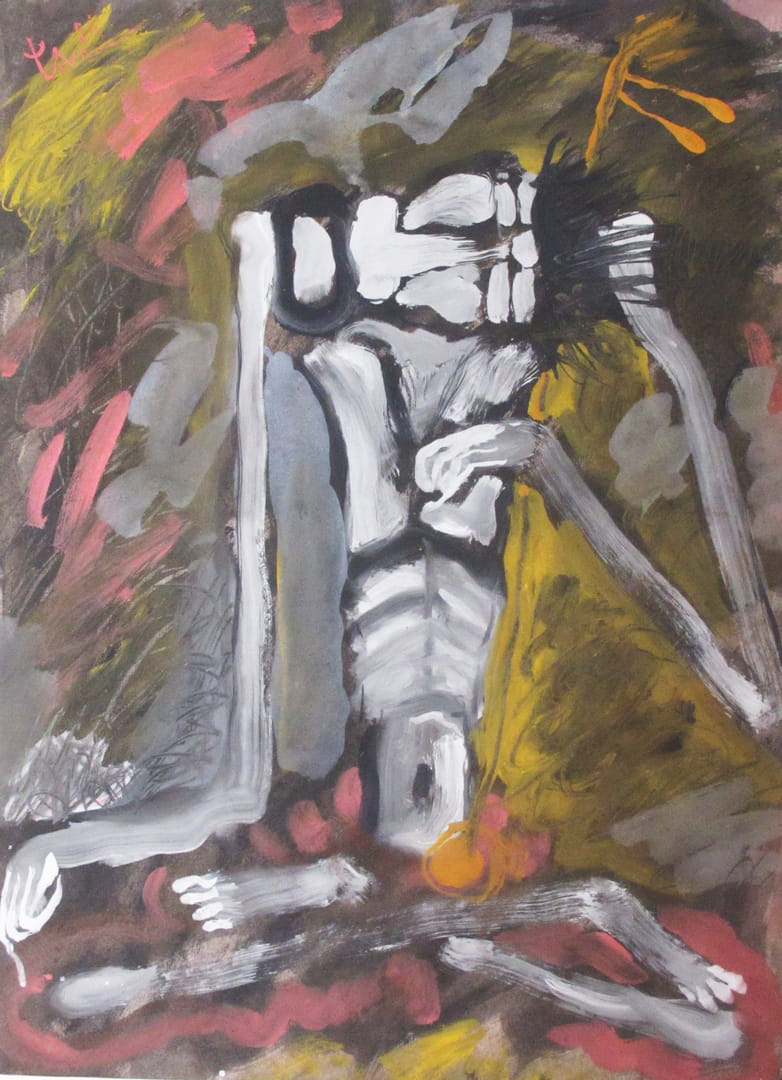
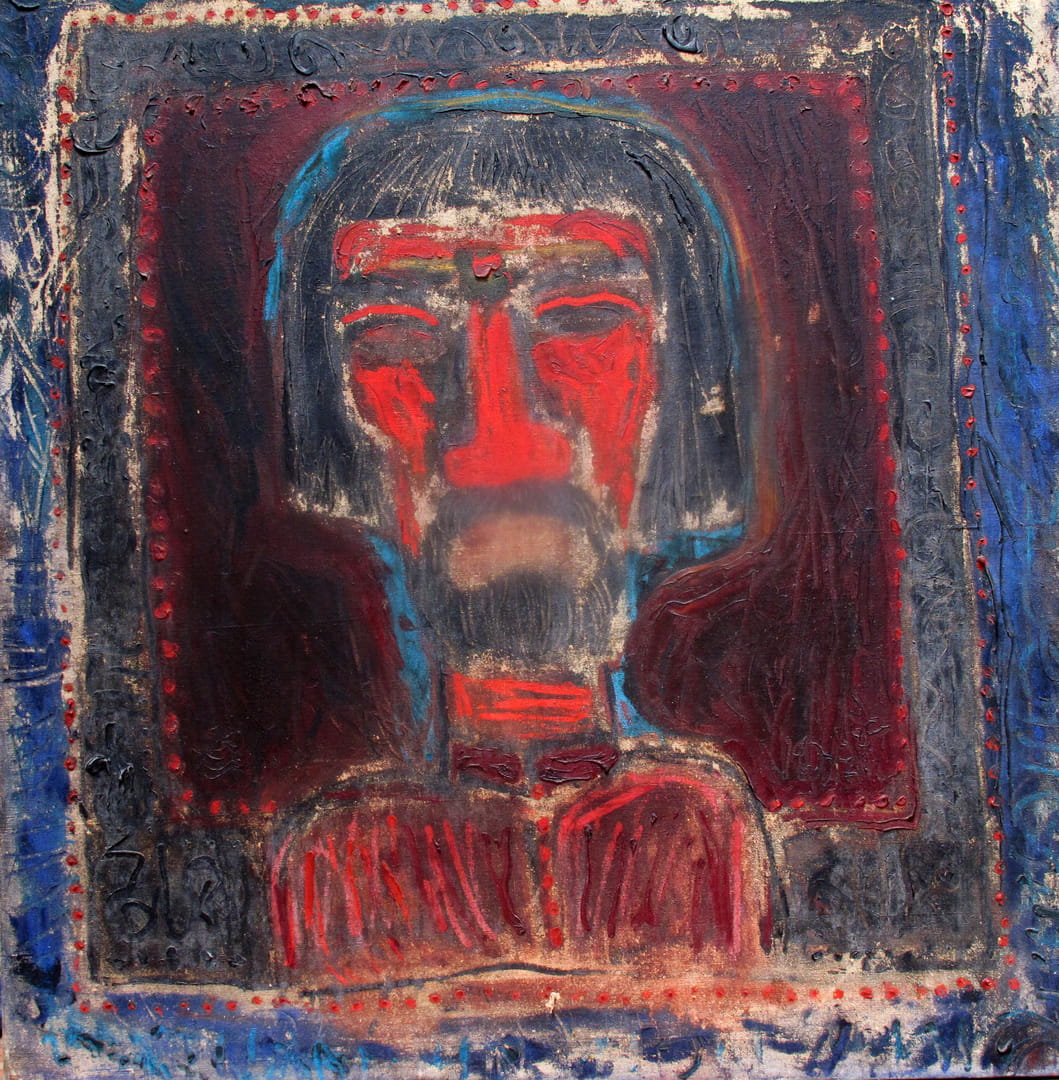
Throughout the history of art, many artists have focused on self-portraits, and for Vu Dan Tan, this was one of the favorite themes that he explored from the early 1970s until the final year of his life.

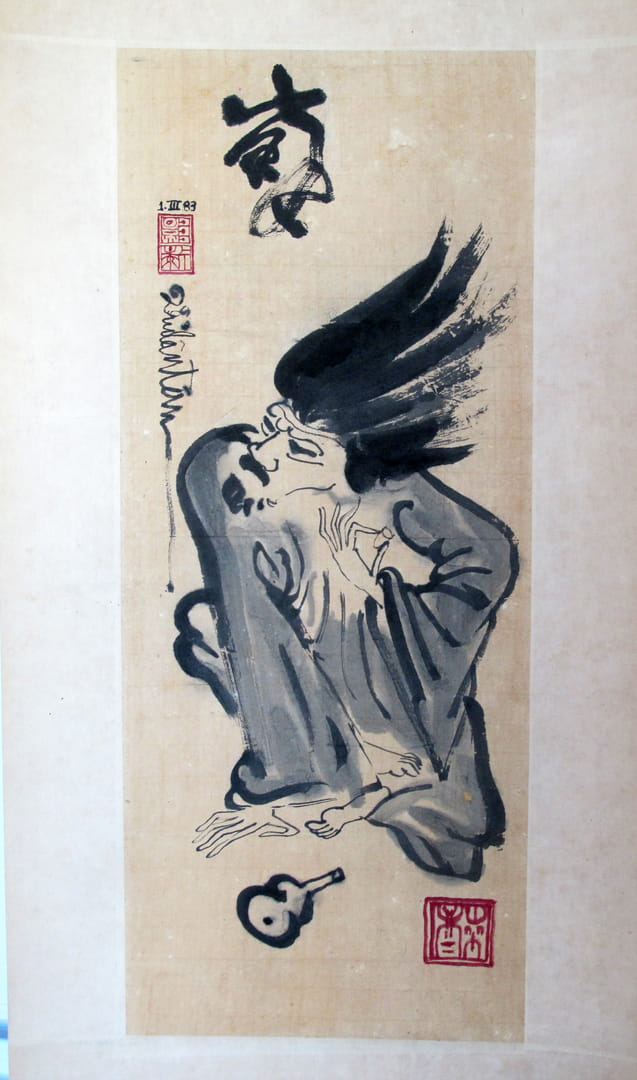
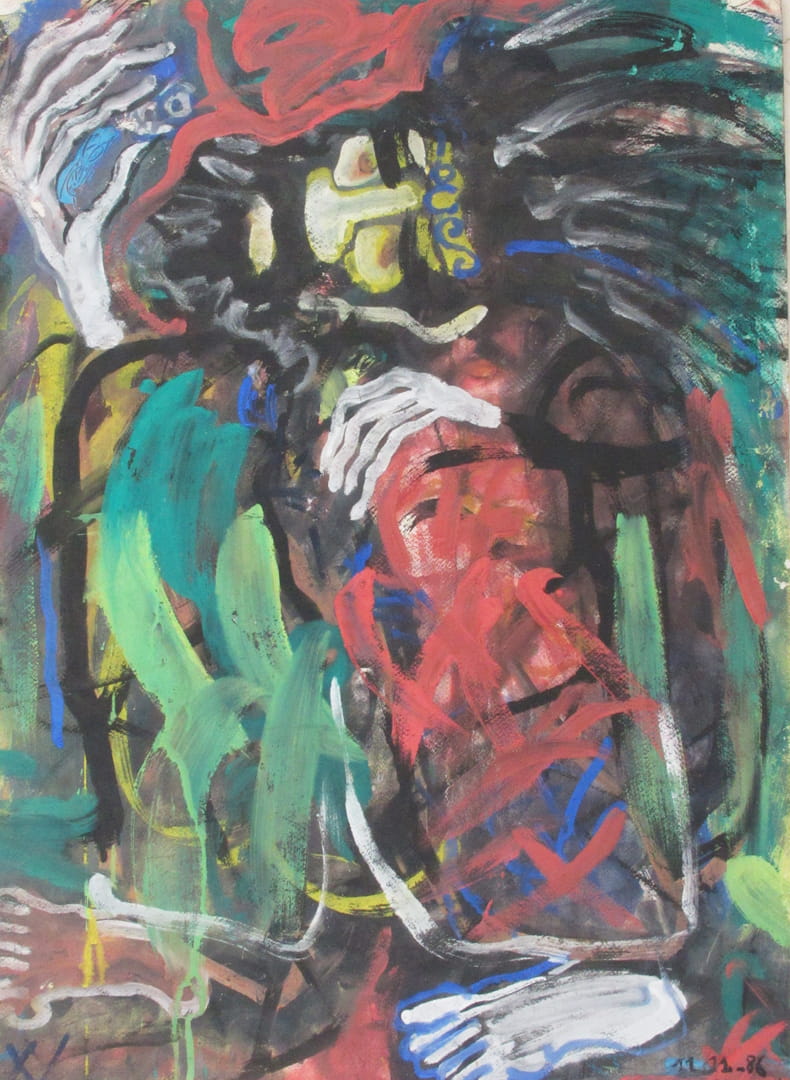
However, the self-portrait genre in his oeuvre exhibited certain distinct characteristics. Aside from a limited number of self-portraits that captured the artist's true likeness, in the majority of his works, he represented himself through various characters. In the later phases of his artistic journey, he often aligned himself with theatrical and literary figures, such as Harlequin and Don Quixote, or, in a more ironic manner, with notable personalities like Napoleon. Conversely, during the early stages of his career, Vu Dan Tan predominantly depicted himself as a monk (either a monk-calligrapher or a monk-drunkard) or as a musician.

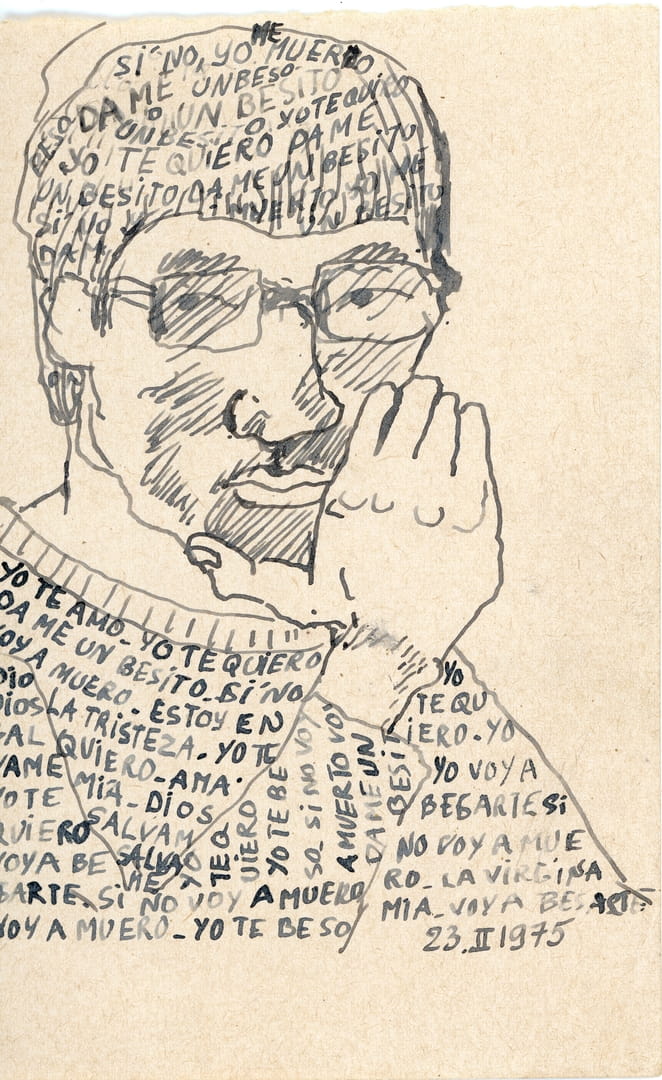
Since the 1990s, he frequently integrates textual elements into his portraits; however, the earliest recorded work that features language is the artist's self-portrait from 1975. This piece signifies the artist's shift from conventional styles to a more contemporary artistic language. The portrait is crafted using sentences in Spanish, referencing Vu Dan Tan’s professional journey to Cuba in 1973, and marks the beginning of his experimentation with the conceptual fusion of language and art in the subsequent years.

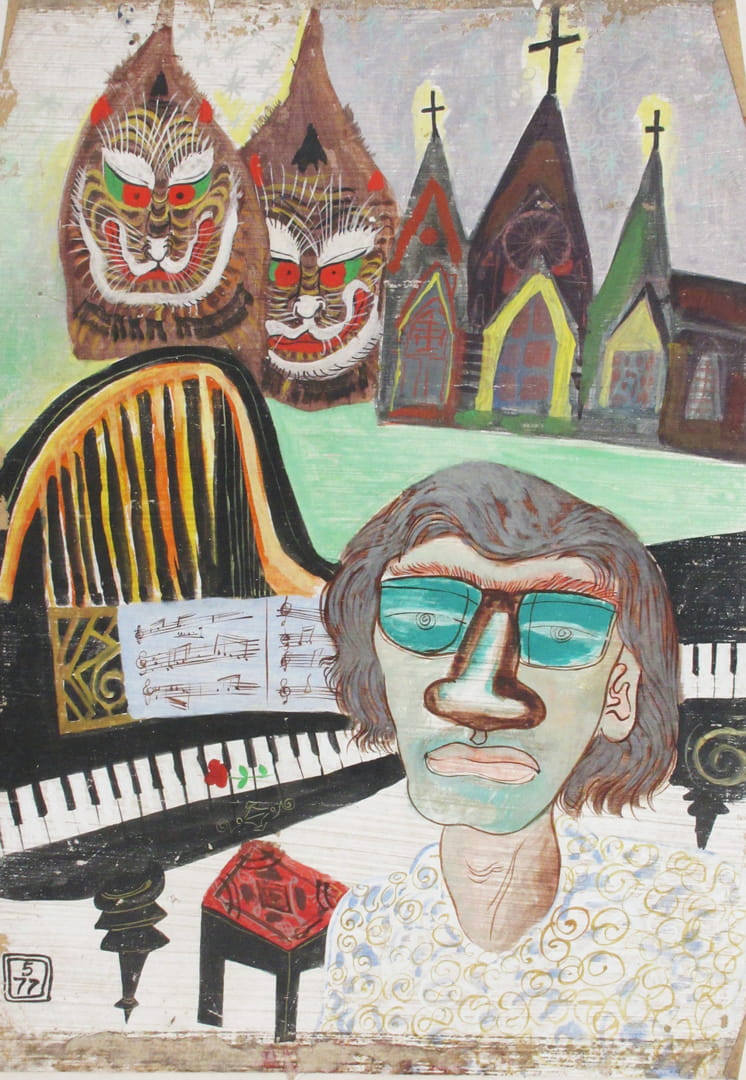
Analyzing another 1970s work, a Self-portrait with piano, masks, and churches,1977, art historian Iola Lenzi asserts that in this piece Vu Dan Tan prefigured the shift in contemporary art of Vietnam. According to Lenzi, depicting himself as flanked by oversized icons referencing belief systems is as a provocatively coded offering, an alternative to Vietnamese artistic/political orthodoxy of the 1970s, embodied in socialist realism. (Iola Lenzi. ‘Power, Politics and the Street. Contemporary Art in Southeast Asia after 1970', London, Lund Humphries, 2024, p. 28.)

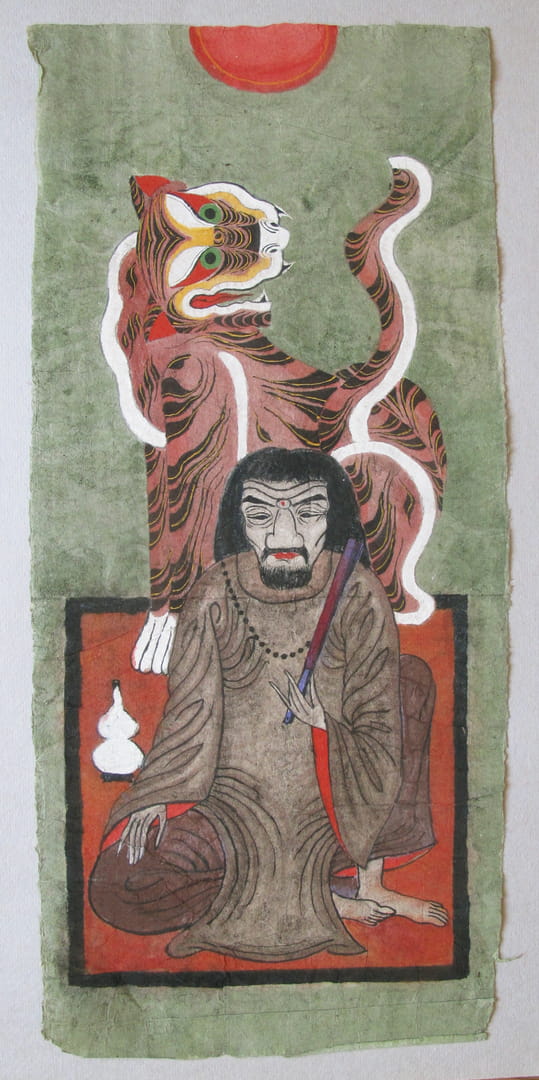
In other works, blurring the boundaries between different eras, religions, and artistic canons, the artist incorporates his own image into traditional Chinese-style scrolls and Hang Trong folk paintings replacing Taoist deities, as though endeavoring to demonstrate the transcendence of the artistic spirit alongside the vulnerability of established conventions.

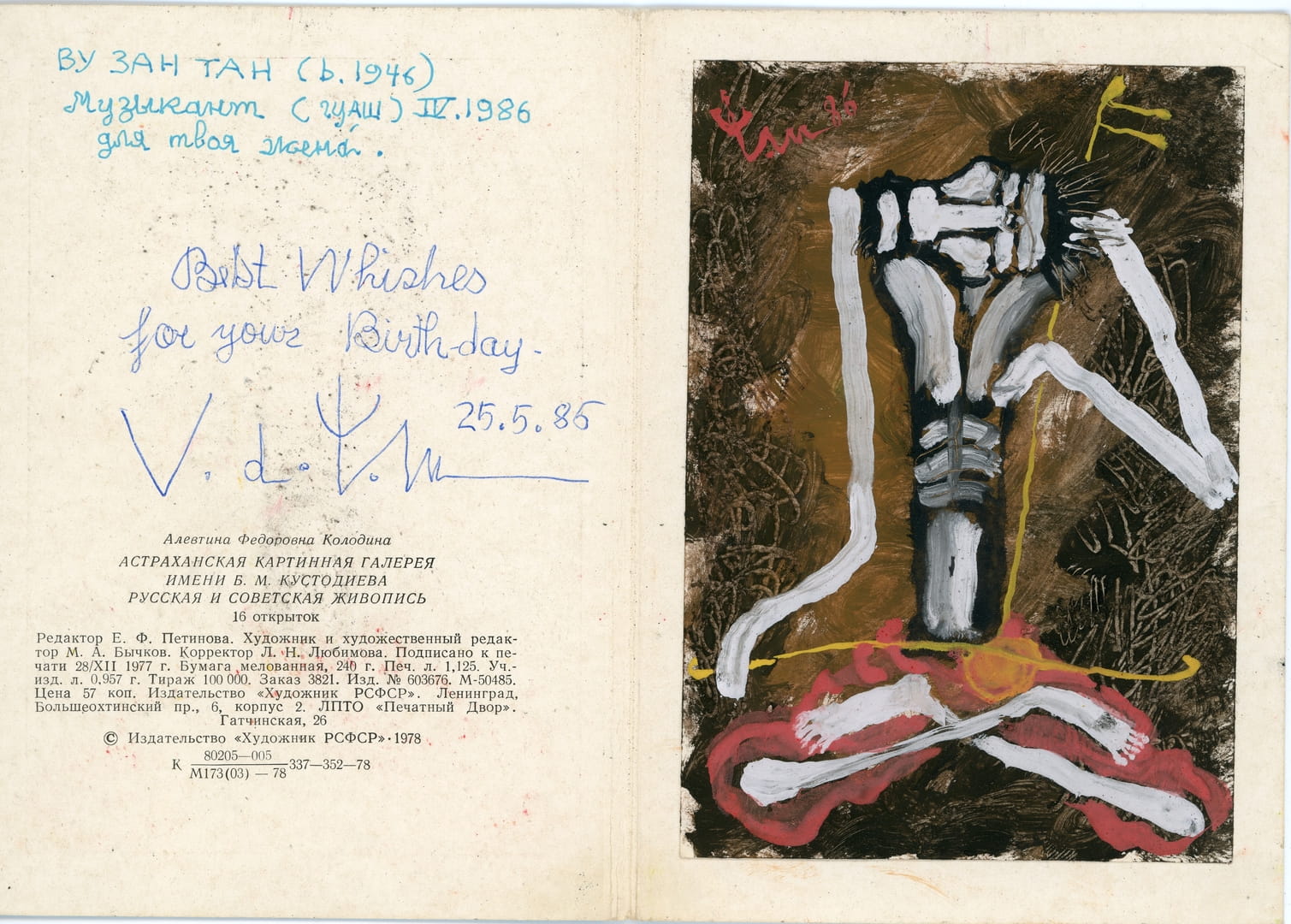
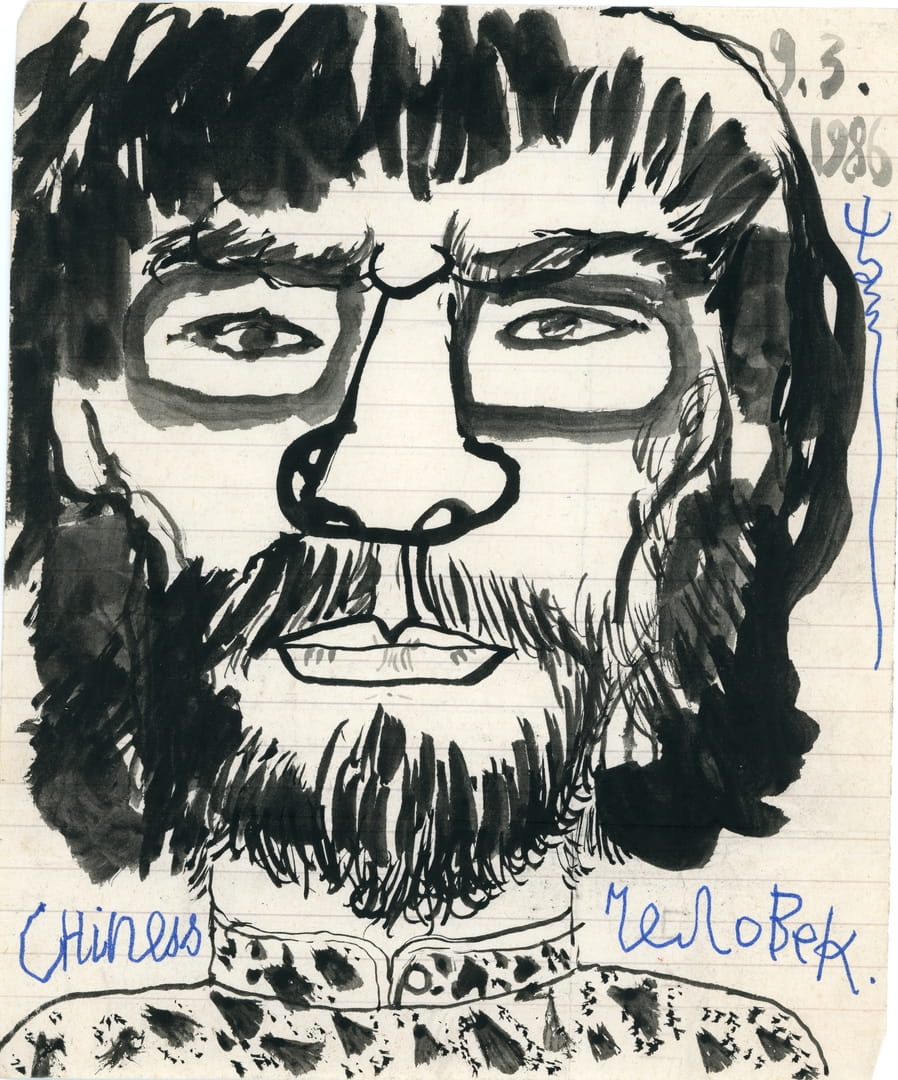
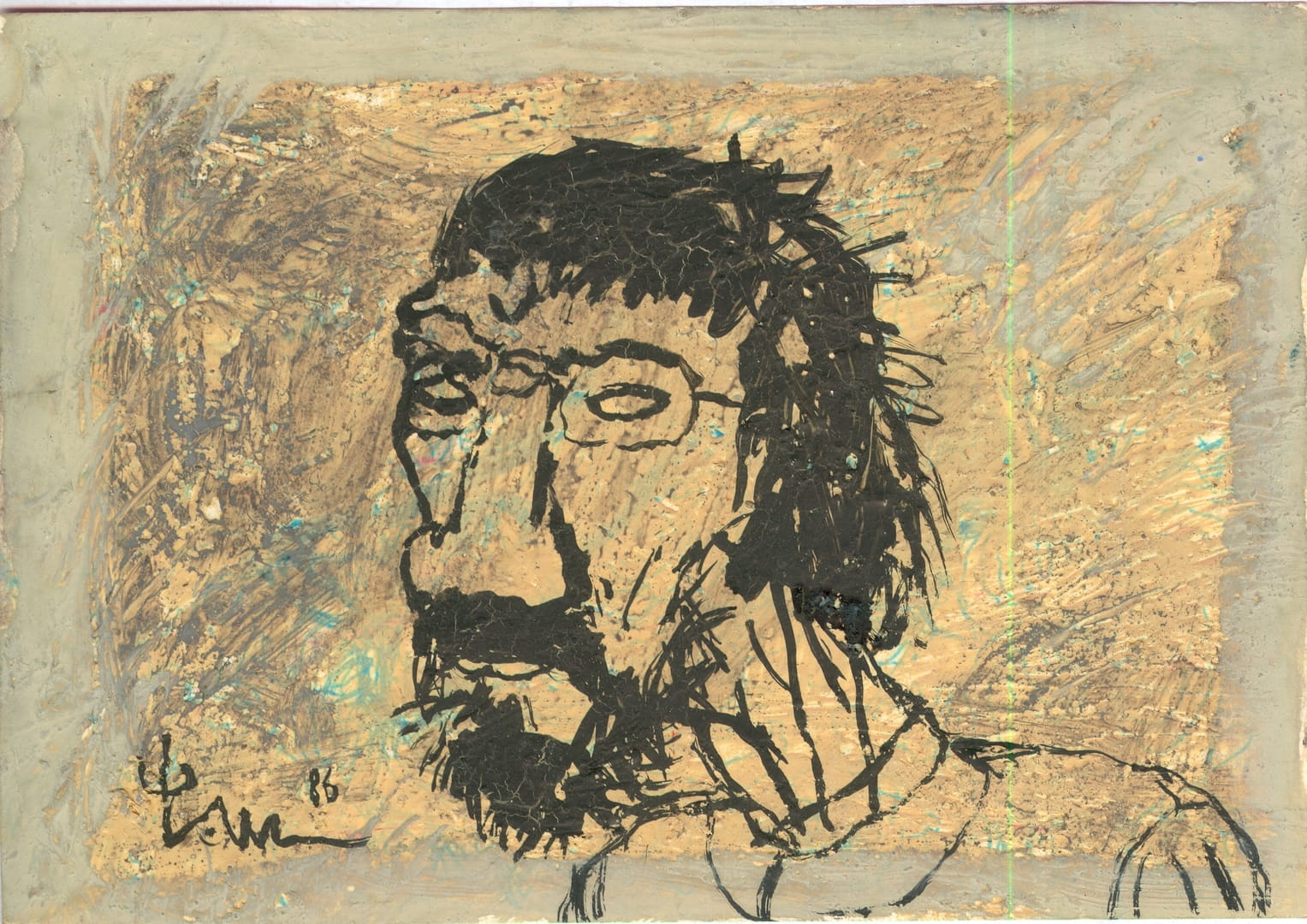
Small-sized self-portraits from 1986 were regularly posted by the artist to his wife during their year-long enforced separation

TOP