T (+84) 842 377 195
Email: info@vudantanmuseum.org
Vũ Dân Tân Museum
443 Ngọc Thụy, Long Biên, Hà Nội
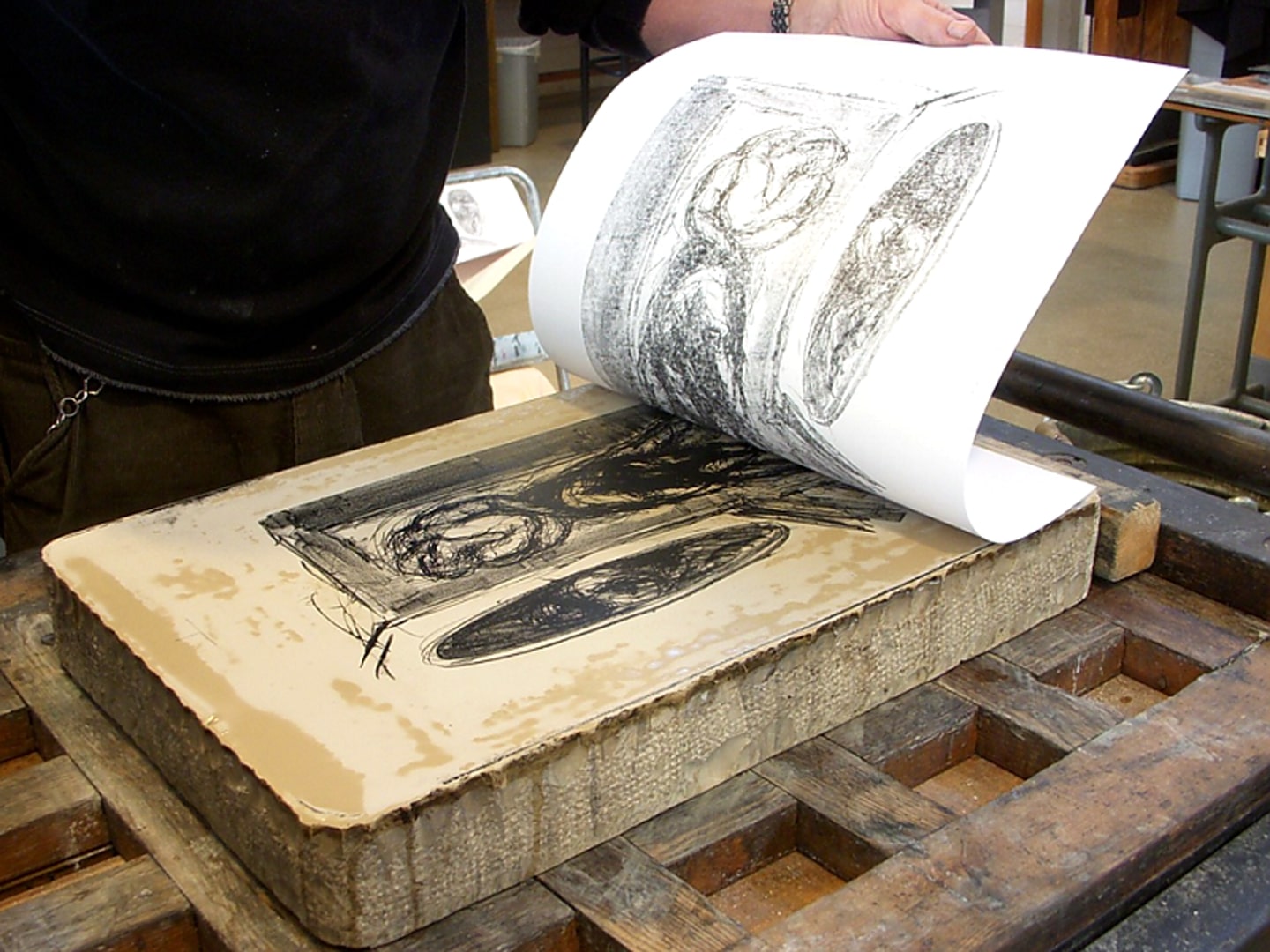
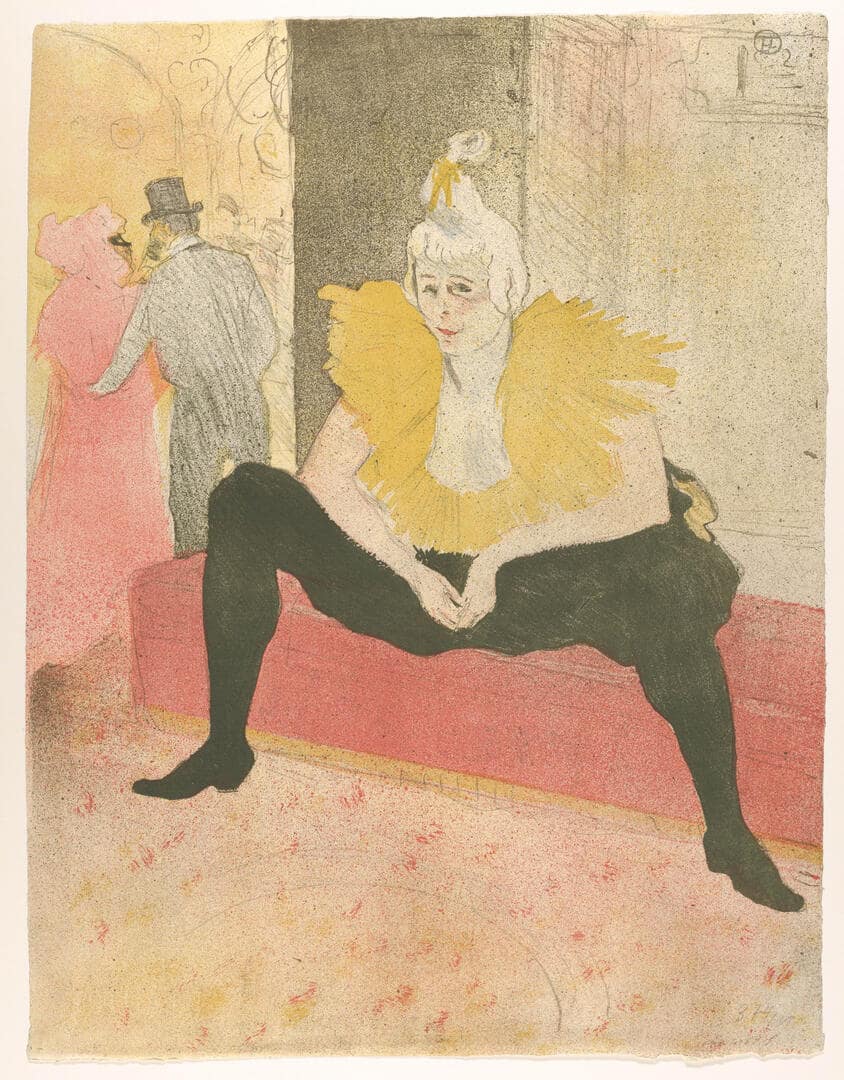
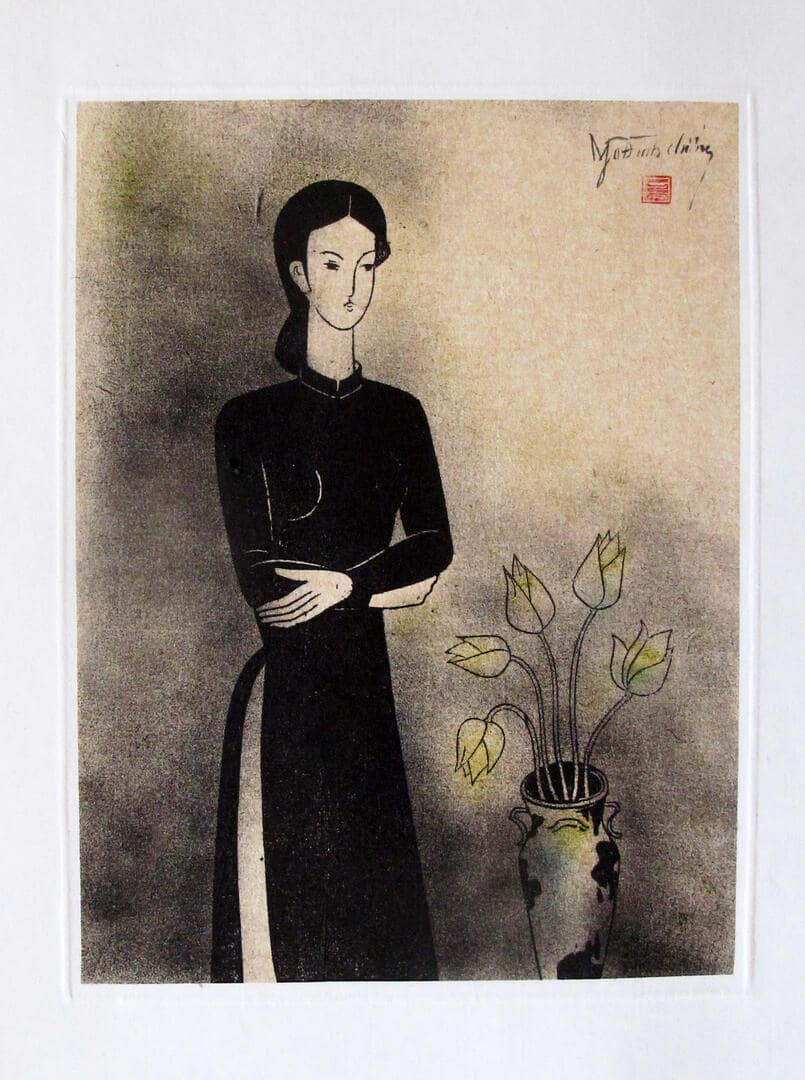
Lithography, derived from the Greek words "lithos" (meaning stone) and "grapho" (to draw or write), is a printmaking method that employs a stone on which an image is drawn with a greasy, water-repellent substance. This image then goes through a processing stage, which involves a chemical fixation. After that, water is applied to the surface, followed by the application of an oil-based ink, which adheres to the drawn areas. A sheet of paper is then placed onto the stone, and pressure is applied to transfer the image onto the paper. It is important to note that only one color of ink can be applied at a time, making the process quite labor-intensive.
Lithography was created by the end of the 18th century and continued to evolve in Europe over the following decades.
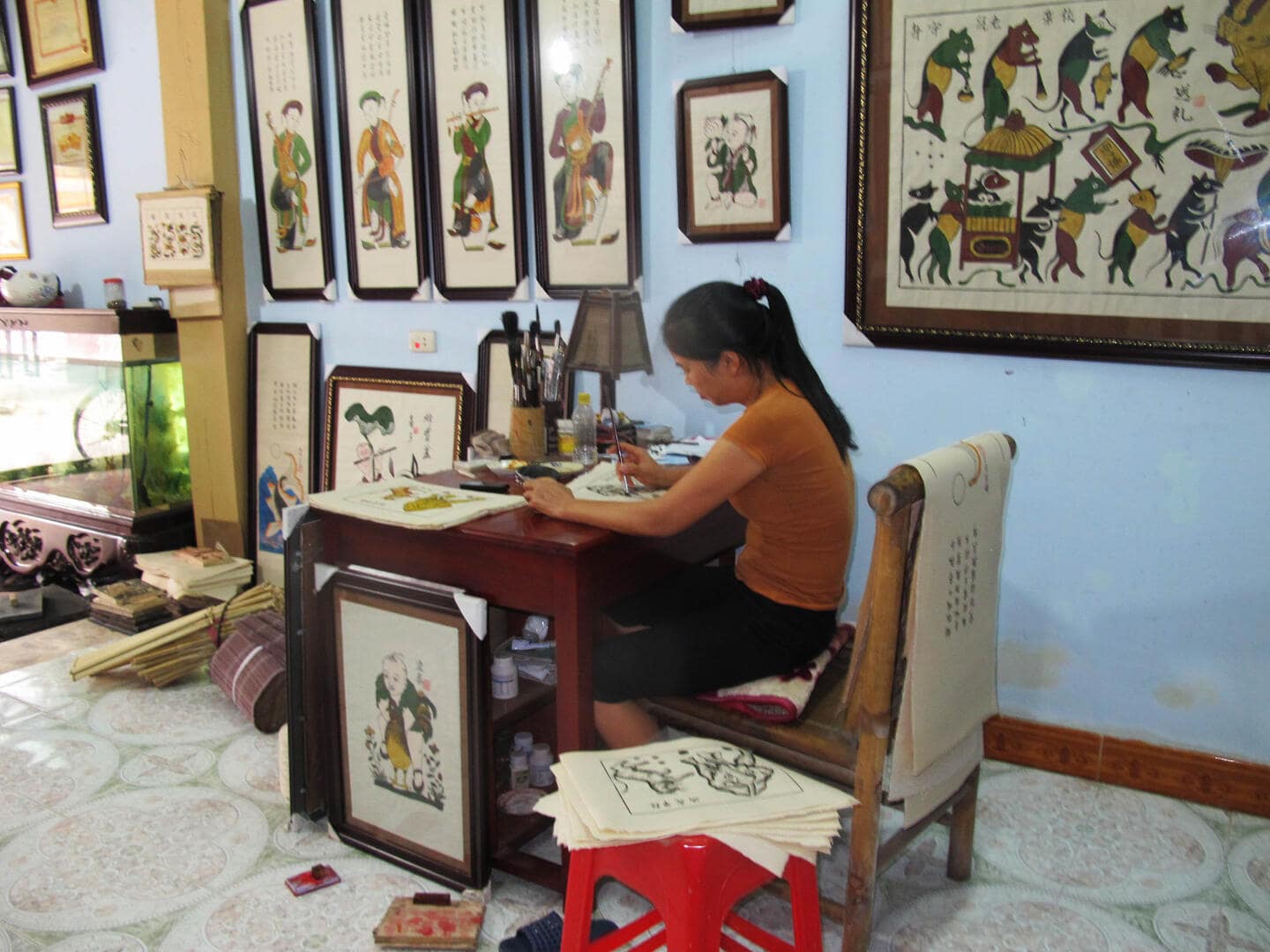
In Vietnam, however, it did not become widely popular, as the country had been familiar with woodblock printing since the 13th century. This led to the establishment of craft villages in the 16th to 18th centuries that specialized in image woodblock printing. These traditional prints often featured folk and religious themes.
The early exposure to wood-engraving, along with a rich history of woodblock printmaking, facilitated a seamless shift of this cherished technique into a fine art medium during the 20th century, thereby contributing to the creation of exquisite artworks.
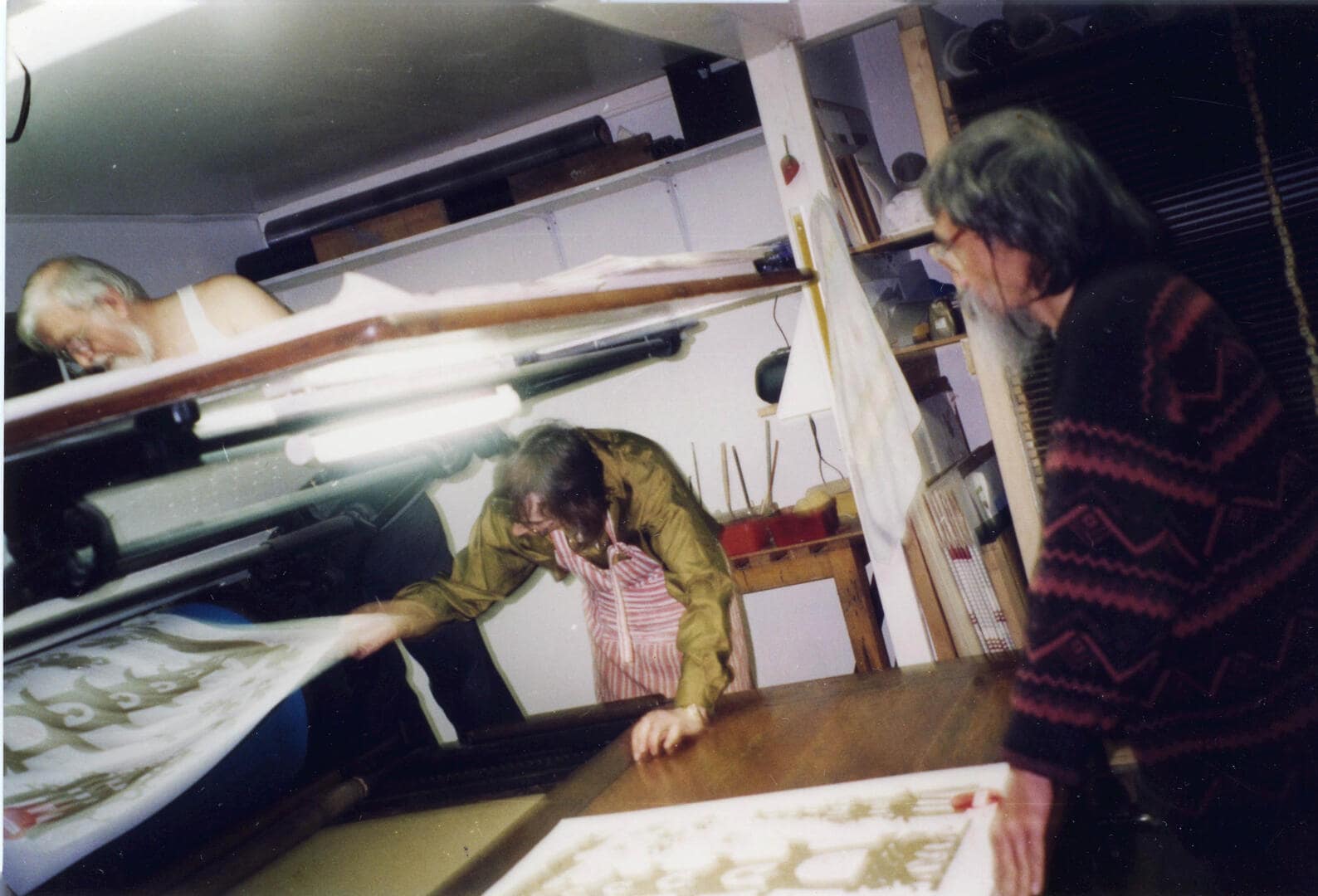
Vũ Dân Tân had no prior experience with lithography techniques until 1996, the year he took part in the 2nd Asia-Pacific Triennial of Contemporary Art at the Queensland Art Gallery in Australia. It was in Brisbane that Magda Van Gils, the curator and co-owner of the New Zealand lithography studio Muka, encountered Vũ Dân Tân ’s now-renowned wall installation "Suitcases of a Pilgrim." Impressed by his work, she extended an invitation to the artist for a two-week residency at Muka Studio in Auckland. During this time, he received direct technical instruction from Frans Baetens and Magda Van Gils, both of whom are skilled printmakers and deeply passionate about the promotion of lithographic art.
Muka studio was established in 1984 as a workshop focused solely on printing lithography from lithographic stone. The residency of Vũ Dân Tân was associated with the Youth Prints project initiated by Muka. This project originated from a question posed by the couple’s daughters during their childhood: "Why is genuine art not accessible to children and young people?" The parents subsequently devised a solution. They chose to invite renowned artists from around the globe to create a series of small (100 x 200 mm) original lithographs in their studio. Although thematically unrelated to childhood, these works embody the typical style and concerns of the artists. The pieces were later shown at the exhibitions where only individuals aged 5 to 19 were permitted entry, and they were sold at relatively affordable prices. The identities of the artists were concealed during the exhibitions, thereby encouraging young attendees to select artworks based solely on their preferences, rather than the artists' fame. The artists invited to the studio for workshops were not necessarily printmakers like Vũ Dân Tân ; Frans and Magda shared their expertise and skills with them.
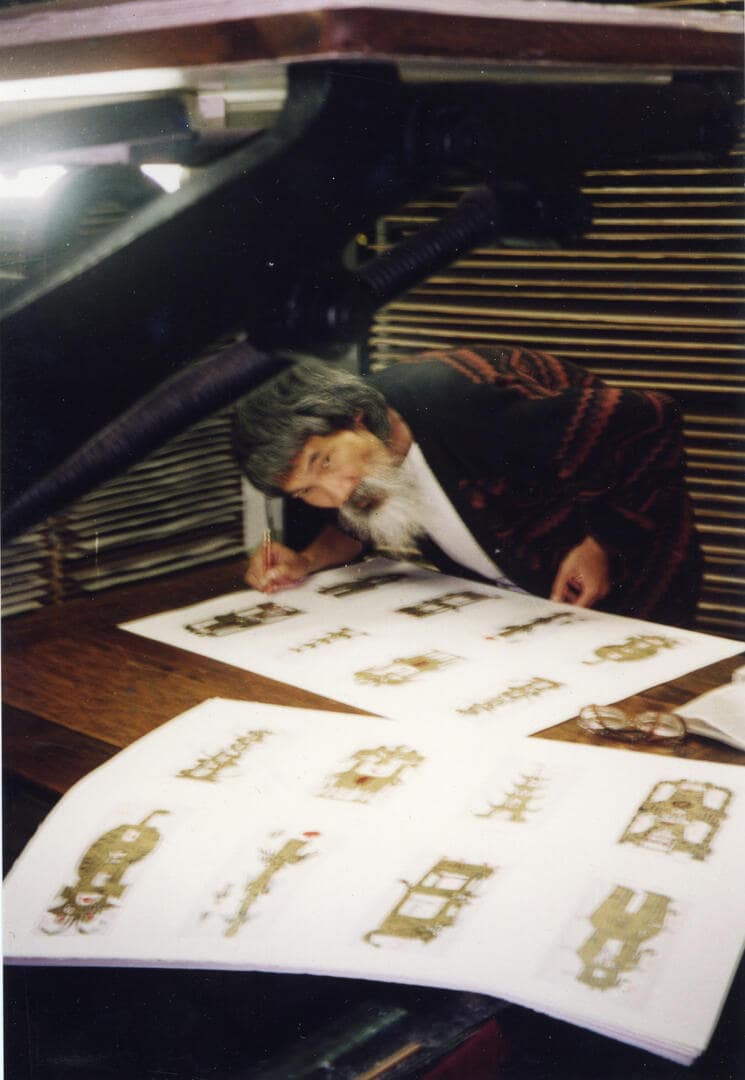
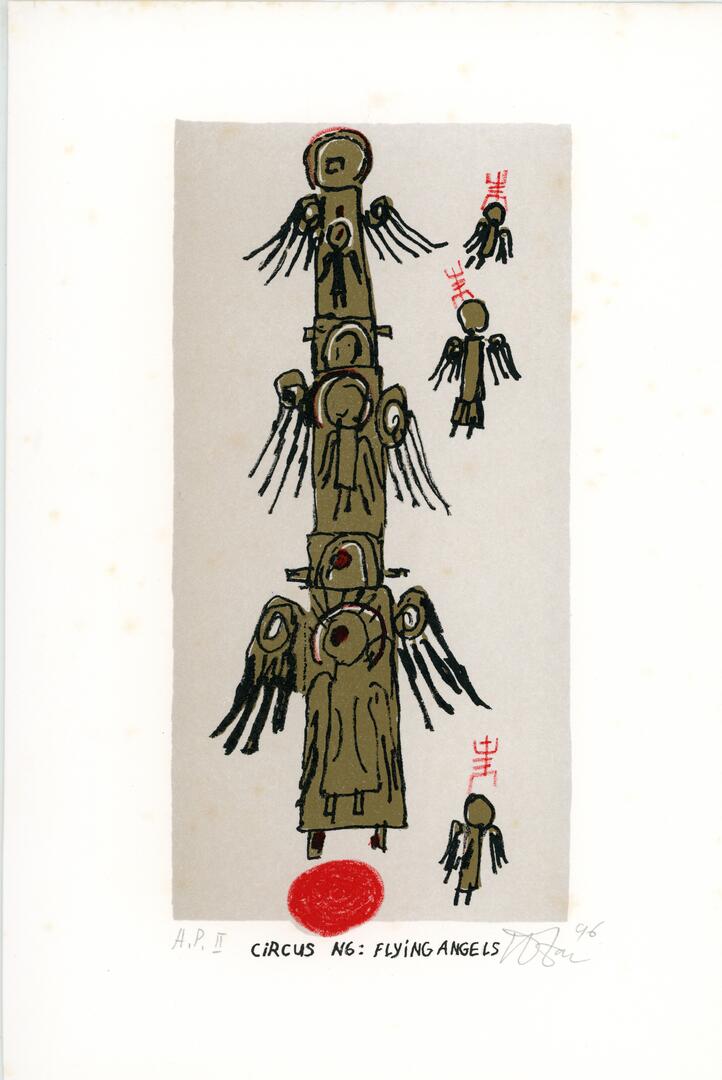
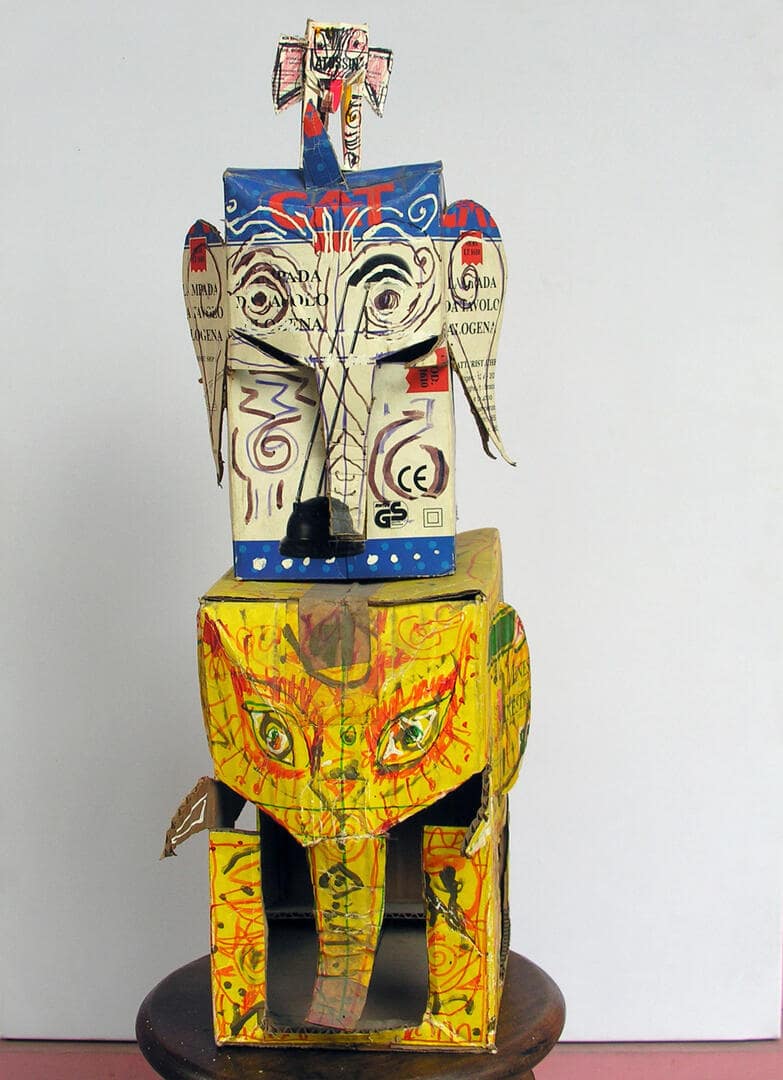
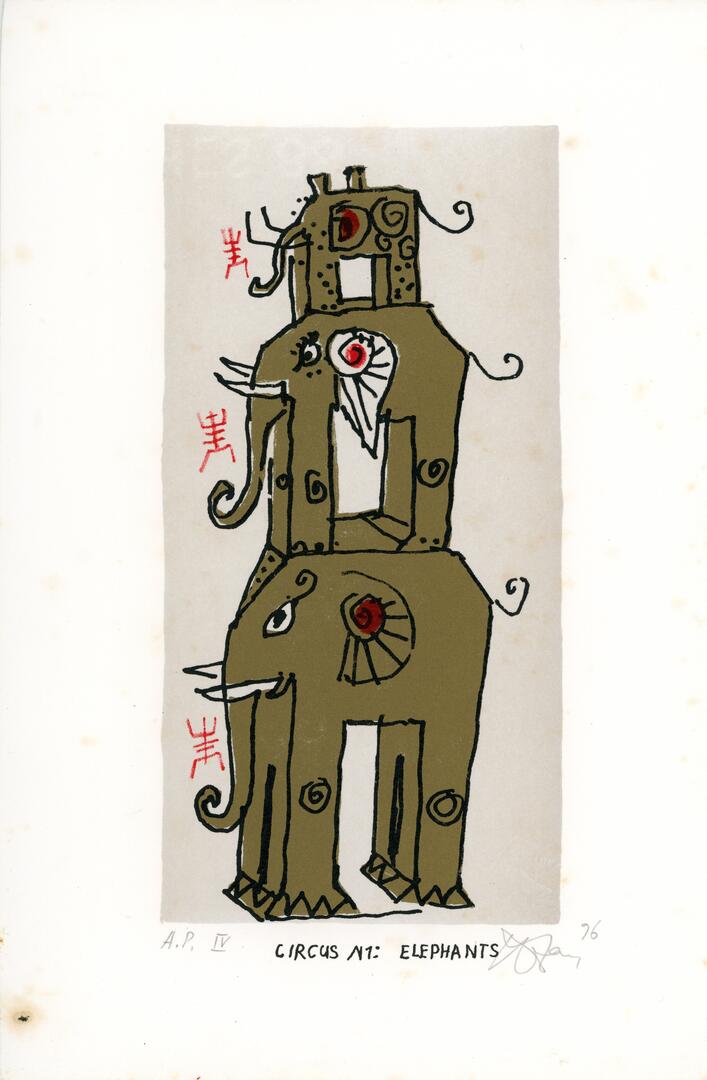
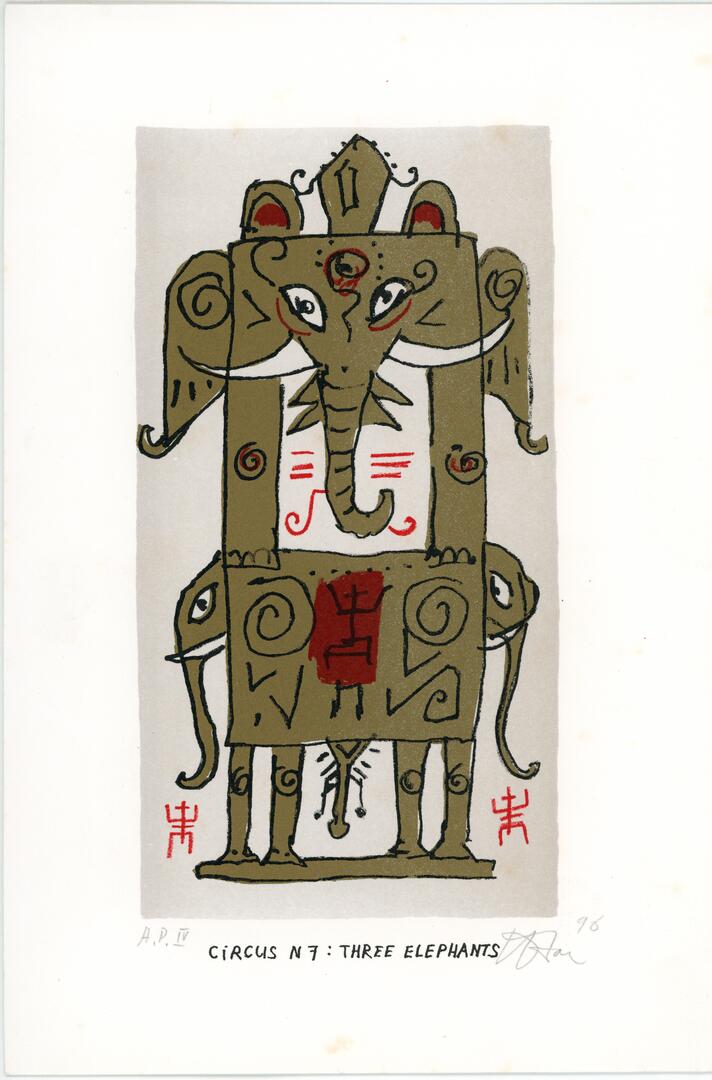
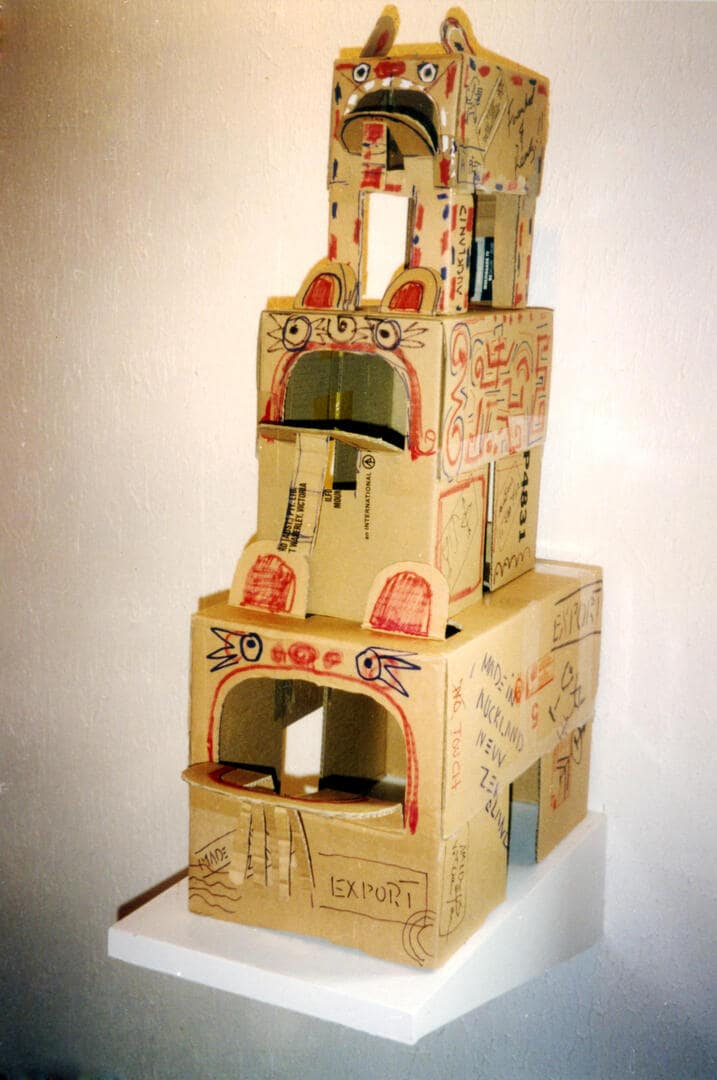
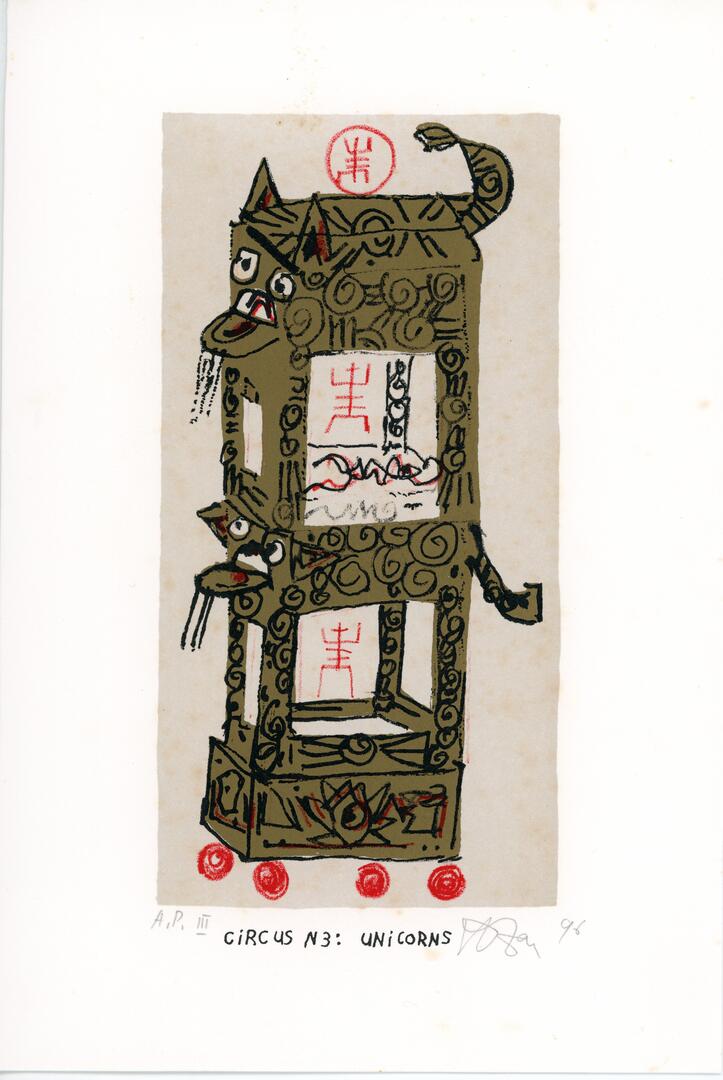
For the Youth Prints project, Vũ Dân Tân created a series of eight lithographs called "A Travelling Circus." The imagery – including tigers, elephants, unicorns, mythical lion-dogs, cheerful clowns, and soaring angels – was inspired by his three-dimensional installation works crafted from cigarette packages or other cardboard boxes. The lithographic method amplifies the sculptural aspects of his artwork, while a restricted palette of contrasting colors, mainly gold, along with sharply outlined silhouettes, evokes a vivid resemblance to the circus arena known for its minimalistic decor, simplicity, strength, and joy.
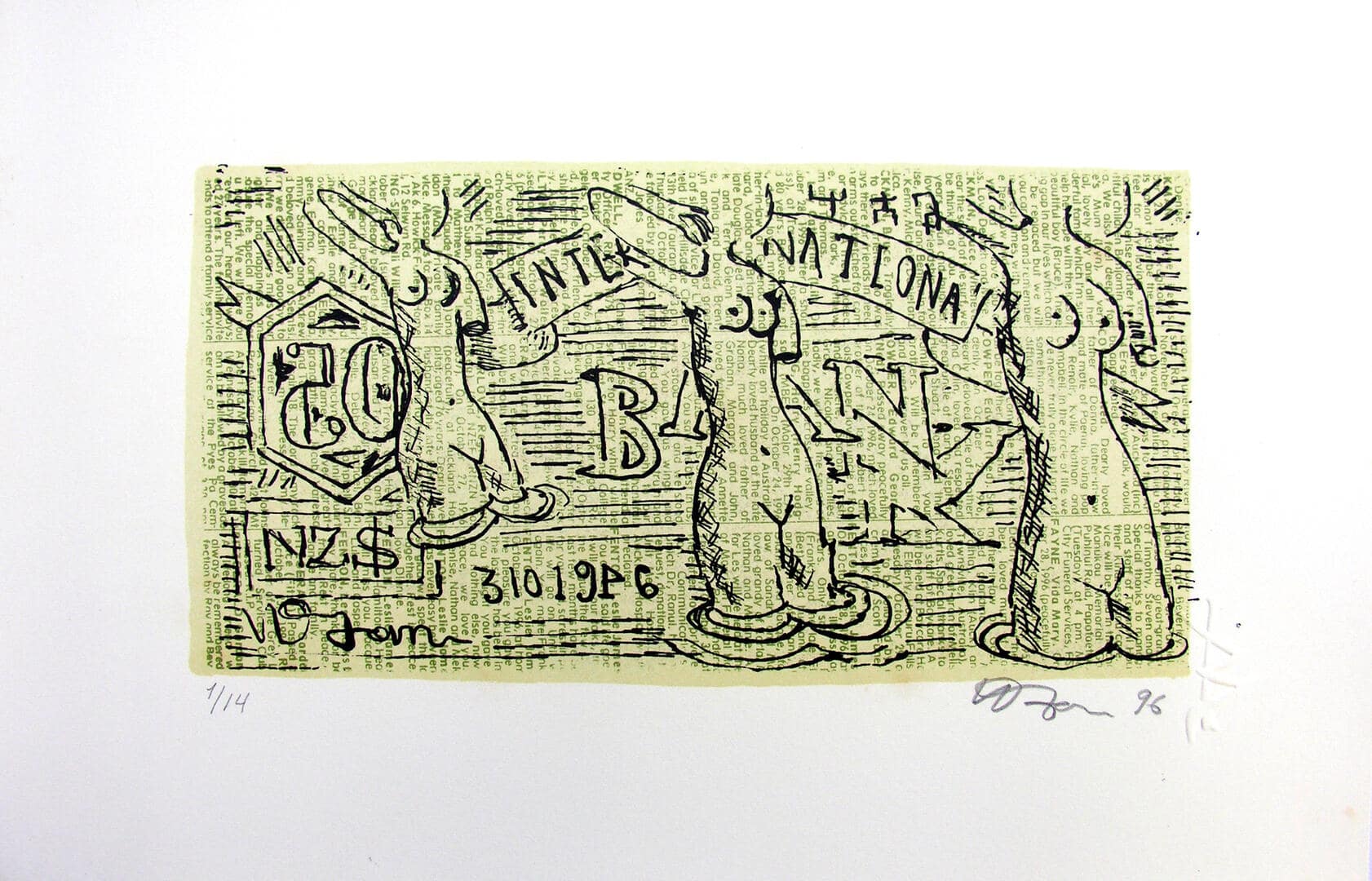
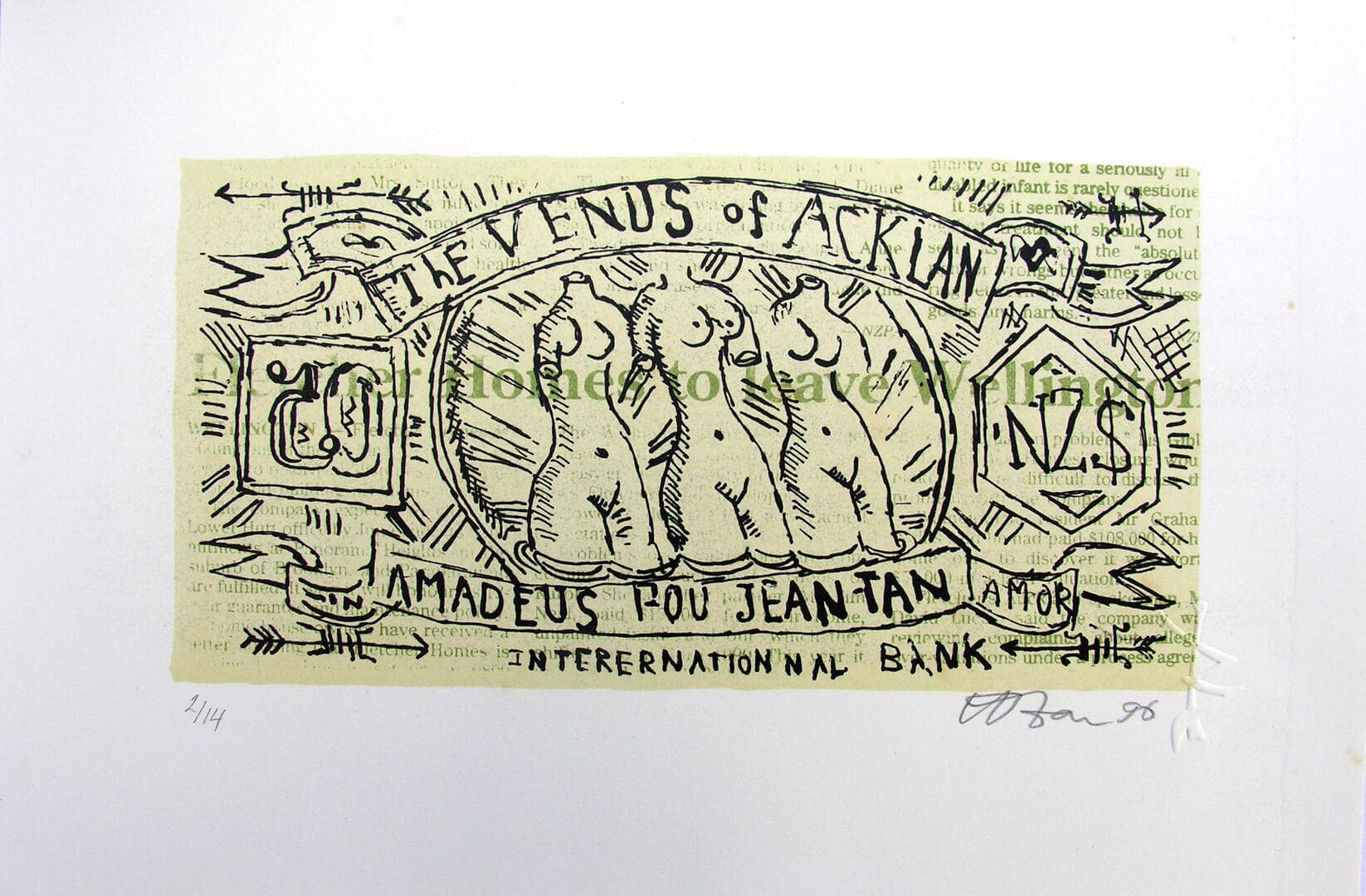
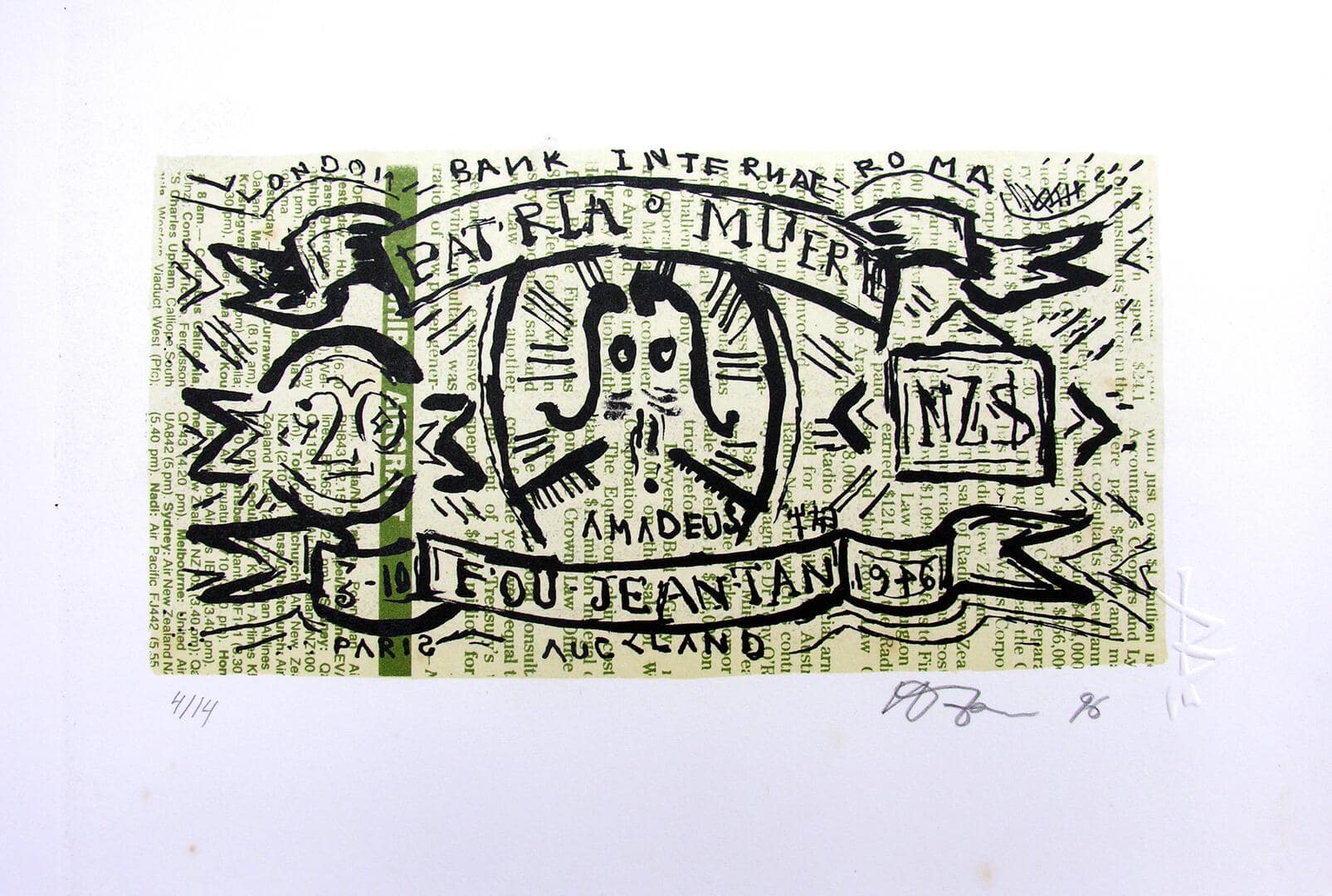
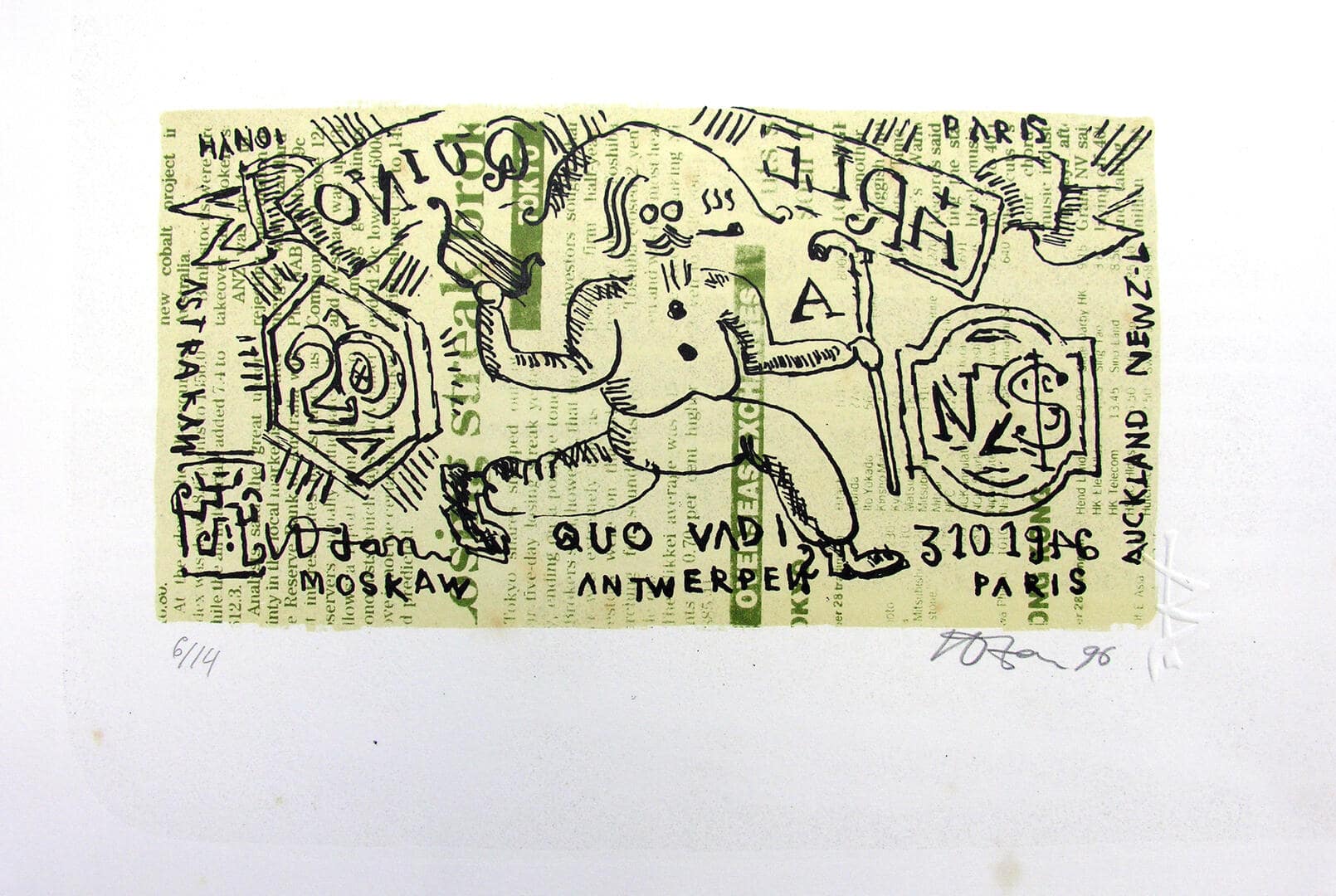
Various conceptual dimensions – rational, poetic, and political – define his other lithography series produced in Muka, which references New Zealand dollar bills. Against a backdrop of newspapers that showcase political critiques, economic analyses, and everyday stories, the artist integrates images that are unrelated to the narratives of current events: the timeless figure of Venus and his self-portrait as a saint named Amadeus, honoring his cherished composer, Mozart.
By aligning himself with Mozart, Tan establishes a symbolic figure whose depiction on currency reflects a dualistic artistic notion: the ironic rejection of money's dominance over art, alongside a desire to engage in the market-driven realm that he critiques. Often, Vũ Dân Tân 's critiques and allusions to political or social matters are expressed indirectly, resonating more with the symbols of classical art rather than with modern popular iconography. The link to the eternal is emphasized through remarkable drawing techniques and graphic finesse.
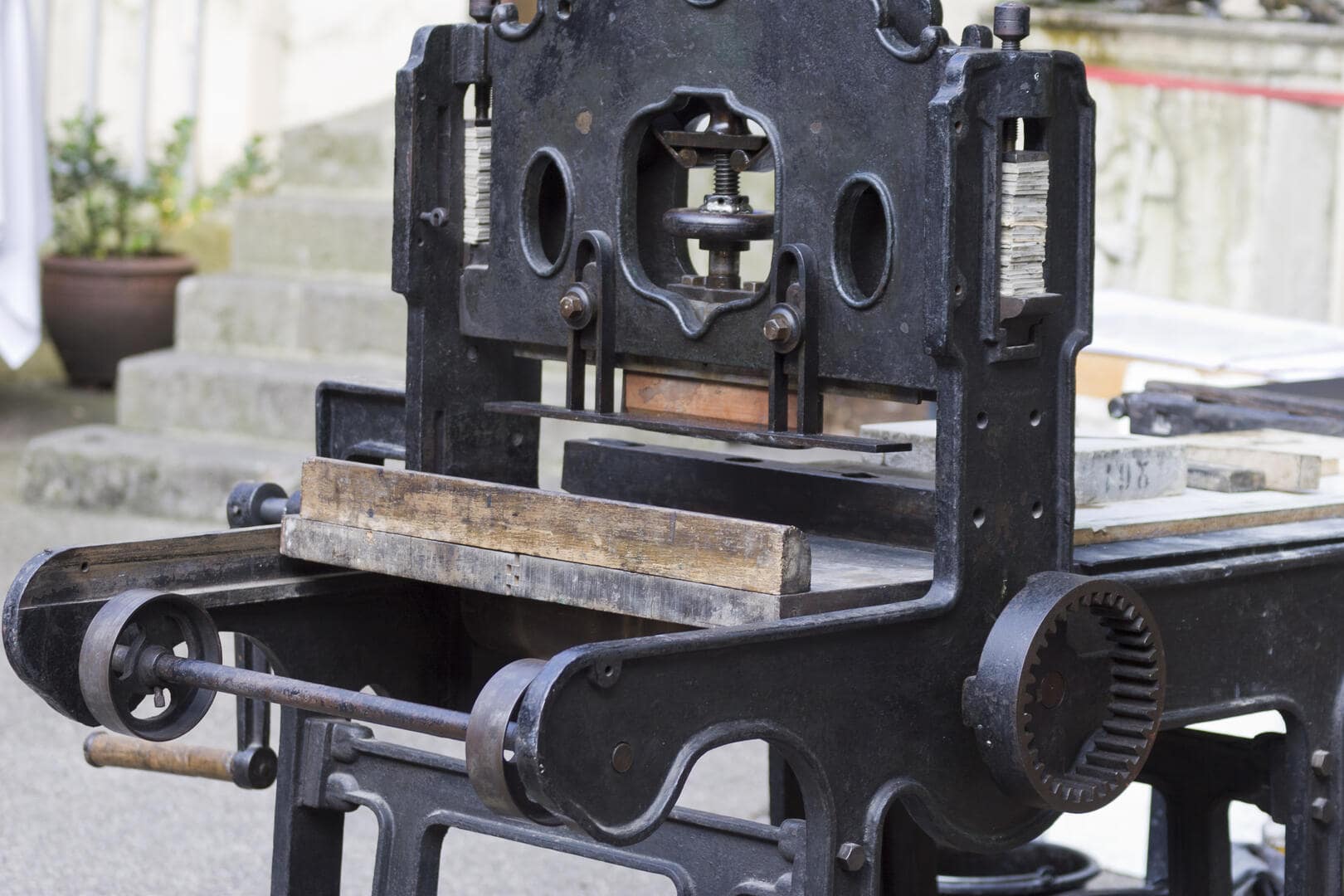
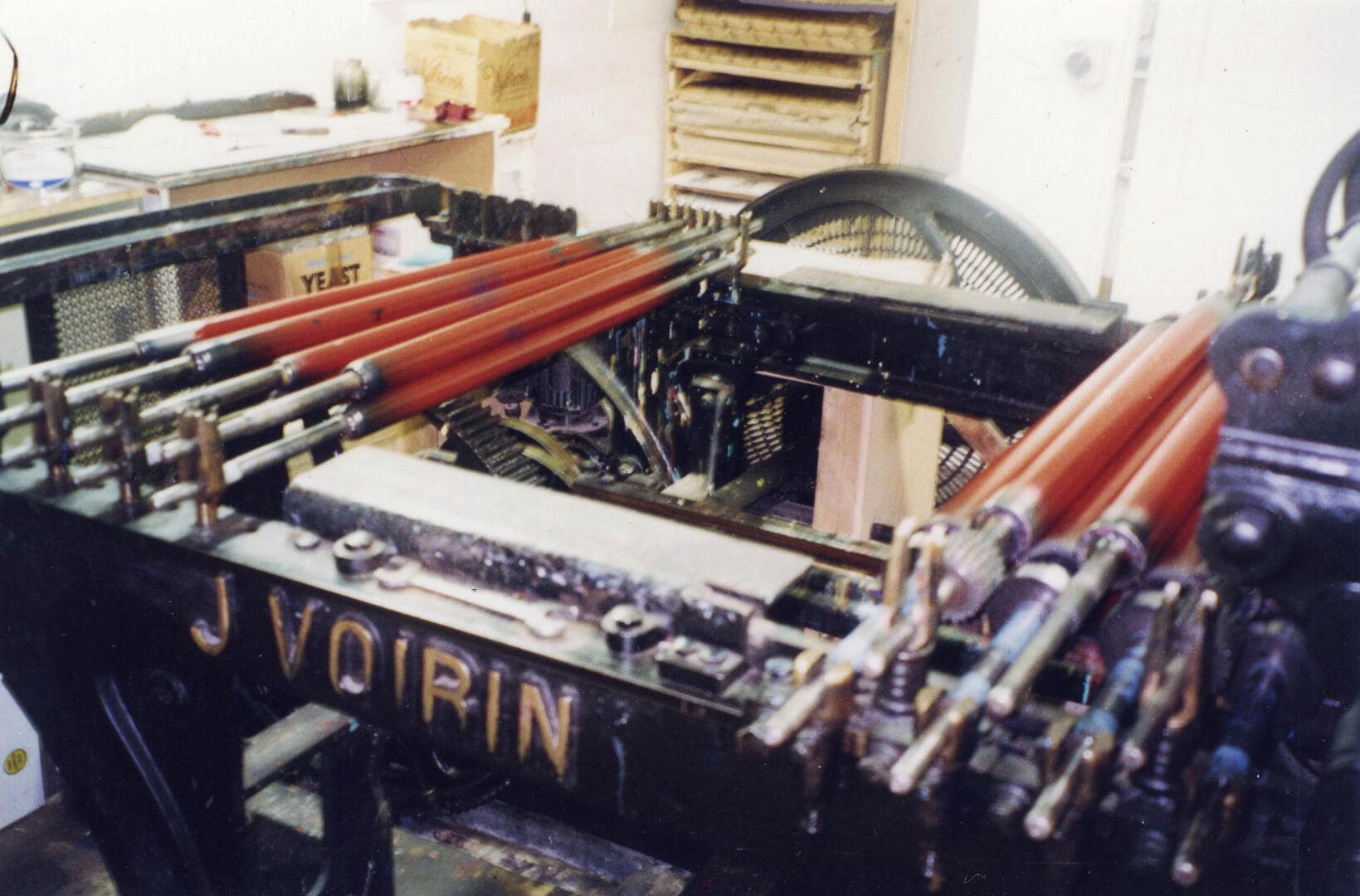
During his time making lithographs at Muka, Vũ Dân Tân found himself enchanted by the original semi-automatic "Voirin" press from 1875. As noted by Frans Baetens, this press is one of just four around the globe that are still operational. Tan viewed it as a piece of art in its own right, capable of creating other artworks